 Pin It
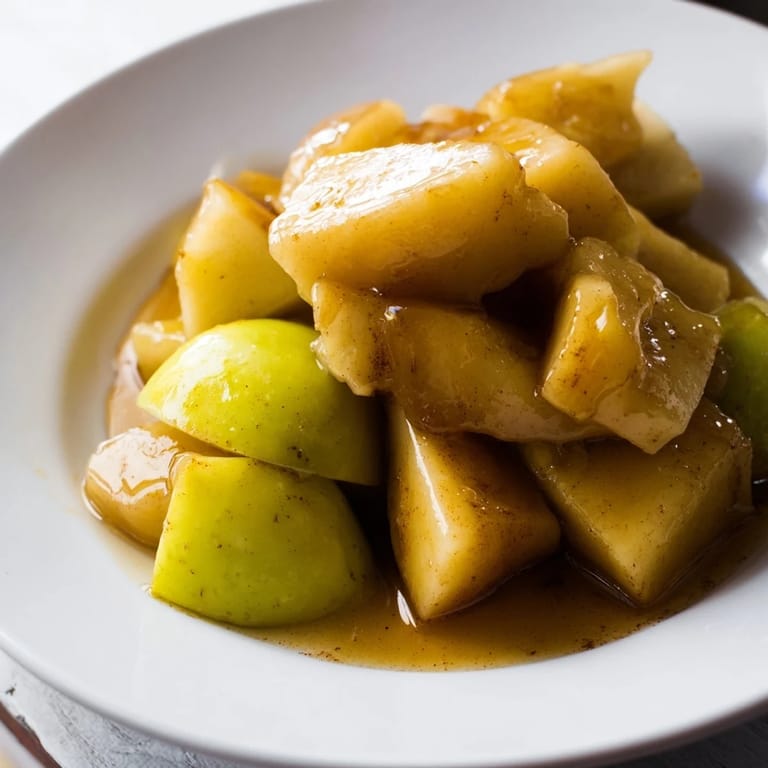
 There's something almost meditative about slow cooker cooking—you add everything, close the lid, and hours later the kitchen smells like an orchard in autumn. I discovered these stewed apples on a chilly morning when I had a few apples getting soft in the fruit bowl and wanted something warm to spoon over yogurt. The slow cooker turned those humble pieces into something so tender and naturally sweet that my partner kept sneaking spoonfuls straight from the pot before breakfast was even ready.
I made this for a family potluck one fall, serving it over vanilla ice cream in small bowls, and it became the unexpected star of the dessert table. People kept coming back asking what was in it, amazed that something so simple and wholesome could taste like pure comfort. That's when I realized the magic wasn't in complicated techniques—it was in choosing the right apples and letting time do what heat never could.
Ingredients
- 6 large apples (Granny Smith, Honeycrisp, or Fuji): Different varieties bring different flavors and textures—Granny Smiths stay firmer and tart, while Honeycrisp adds natural sweetness and a quicker breakdown. Mix them if you want complexity.
- 1/4 cup honey: This isn't just sweetness; it caramelizes slightly during cooking and creates a silky mouthfeel that granulated sugar never does.
- 1/2 teaspoon ground cinnamon: Don't skip the quality here—stale cinnamon tastes dusty, while fresh cinnamon brings warmth that tastes alive.
- 1 tablespoon lemon juice: A small amount that cuts through the sweetness and makes the apple flavor itself pop brighter.
- 1/4 cup water: Just enough to create gentle steam without drowning the apples into mush.
- 1/4 teaspoon ground nutmeg (optional): A whisper of this adds a subtle spice dimension that makes people guess at the flavors without quite knowing what they're tasting.
- 1/2 teaspoon vanilla extract (optional): Stir this in at the very end so you don't cook off the delicate fragrance.
- Pinch of salt: This seems small, but it's the secret that makes everything taste more like itself.
Tired of Takeout? 🥡
Get 10 meals you can make faster than delivery arrives. Seriously.
One email. No spam. Unsubscribe anytime.
Instructions
- Prepare your apples:
- Peel, core, and chop them into roughly 1-inch pieces—you want them small enough to cook through evenly but chunky enough that they don't dissolve into baby food. Don't overthink the sizing; a little unevenness is fine and actually creates nice texture variation.
- Layer everything in the slow cooker:
- Add the apples first, then drizzle with honey and lemon juice. The lemon juice will start breaking down the apples' cell walls, helping them soften faster while keeping their flavor sharp.
- Season generously:
- Sprinkle cinnamon and nutmeg (if using) directly over the fruit. Some people worry about spice distribution, but the slow cooking creates enough movement and moisture that it all mingles beautifully.
- Add liquid and salt:
- Pour in the water and a pinch of salt. The salt might seem strange in a sweet dish, but it heightens every other flavor and prevents the fruit from tasting one-dimensional.
- Cook low and slow:
- Cover and set to low for 3 hours. After about 90 minutes, give it a gentle stir, and stir once more halfway through—this helps everything cook evenly without breaking the apples down too much.
- Finish with vanilla (if using):
- Stir in vanilla extract in the last few minutes of cooking so its delicate flavor doesn't evaporate. Taste and adjust sweetness if needed.
 Pin It
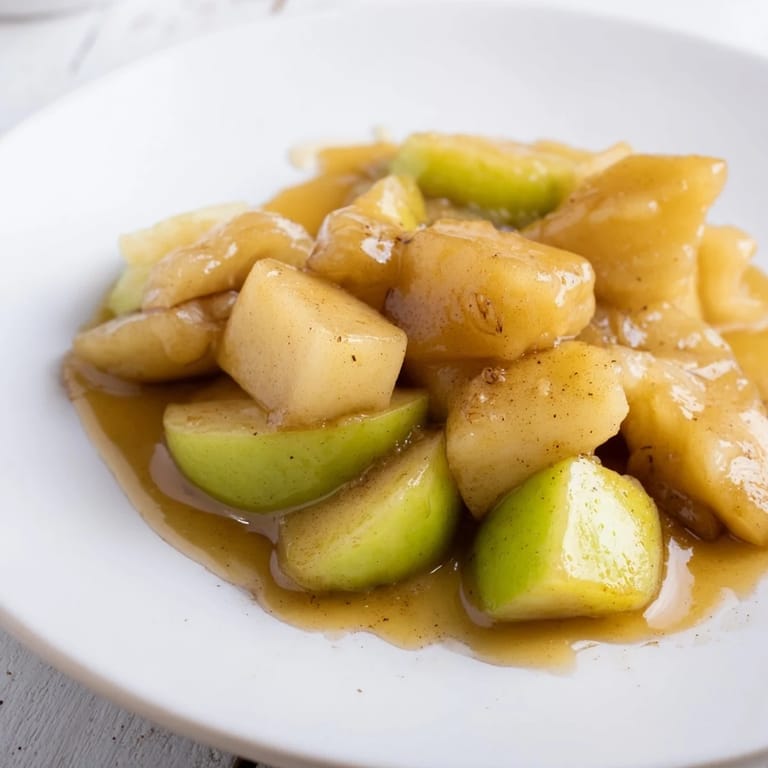
 One winter afternoon, I served this warm in small bowls alongside soft cheeses and crackers, and it felt like offering something handmade and genuine. That moment taught me that simple food cooked with intention becomes something people remember—not because it's complicated, but because it tastes like care.
Texture and Consistency: What You're Aiming For
The beauty of slow cooker apples is that they're forgiving. If you want them chunky with personality, stir gently and serve them straight up after cooking. If you prefer something smoother, mash them lightly with a fork or potato masher right in the slow cooker—you'll get a rustic compote texture that still has some body. Some people take the middle road: they mash just once through the mixture, creating pockets of whole and broken-down apple in the same spoonful, which creates the most interesting texture of all.
Beyond Breakfast: How to Use These Apples
Spoon them warm over oatmeal or granola in the morning, and they become the best part of breakfast. Pile them on pancakes or waffles, and suddenly you have a fancy breakfast that took almost no effort. Serve them over vanilla ice cream as a dessert that feels indulgent but is actually wholesome. I've also served them alongside roast pork at dinner, where the tartness and spice complement rich meat in a way that makes you feel clever—but honestly, they're good wherever you want something warm and comforting.
Simple Flavor Variations That Work
Once you make this once, you'll understand how flexible it is. Swap honey for pure maple syrup and you get earthier notes. Add a splash of bourbon or apple cider right at the start for deeper complexity. Some mornings I stir in a tiny bit of cardamom instead of nutmeg for something more floral. The foundation is solid enough that it becomes your canvas rather than a rigid recipe.
- If your apples turn out too sweet, a squeeze of lemon juice or a pinch of salt at the end will reset the balance instantly.
- Store any leftovers in the refrigerator for up to a week, and reheat gently on the stovetop with a splash of water if they've thickened too much.
- These actually taste even better the next day after flavors have settled, so making a batch ahead is always a smart move.
 Pin It
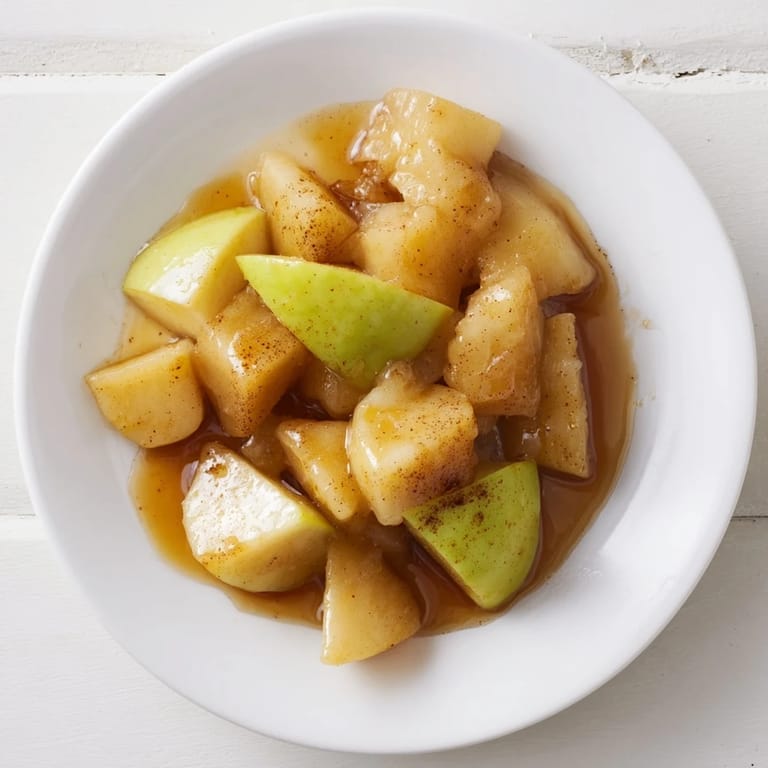
 These slow cooker apples remind me that the best meals don't need to be complicated—they just need to be made with attention. Make this once and you'll understand why someone would keep coming back to it.
Recipe FAQs
- → What types of apples work best for slow cooking?
Firm, slightly tart apples like Granny Smith, Honeycrisp, or Fuji hold their shape and develop rich flavors well during slow cooking.
- → Can I adjust the sweetness of the dish?
Yes, you can swap honey for maple syrup or brown sugar or adjust the amount to suit your taste preferences.
- → How can I change the texture of the cooked apples?
For a chunkier texture, cook for less time and stir gently. For a smoother compote, mash the apples after cooking with a fork or potato masher.
- → Is it necessary to add water during cooking?
Adding a small amount of water helps prevent sticking and creates a light syrup, but it can be adjusted based on desired consistency.
- → What are good serving suggestions for the stewed apples?
Serve warm over oatmeal, pancakes, or yogurt, or as a dessert topping with ice cream. They also pair well as a side with roast pork.