 Pin It
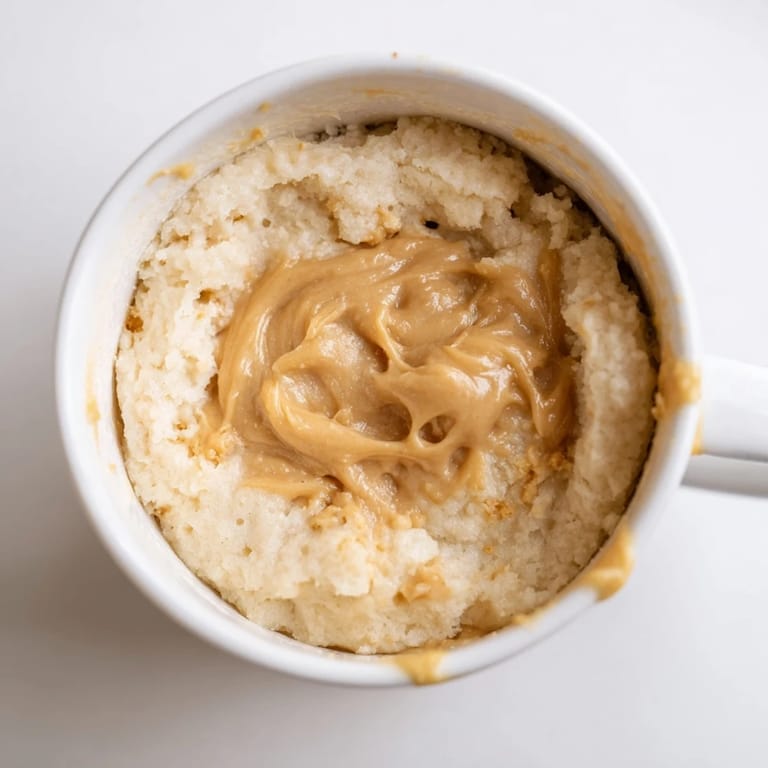
 There's something almost magical about the moment when you're standing in front of the fridge at 10 PM, craving something warm and sweet, knowing you have exactly three minutes before bed. That's when I discovered this mug cake—a revelation born from a late-night desperation and a too-full jar of peanut butter. The first time I mixed it in a mug and watched it puff up in the microwave, I couldn't believe something so indulgent could happen so fast. Now it's my answer to every sudden craving, no mixing bowls or guilt required.
I remember my roommate walking into the kitchen while I was pulling a mug cake from the microwave, steam rising dramatically, and she asked if I was actually making a full dessert in there. When she tasted it, she just looked at me silently, then made her own. Now whenever someone's had a rough day, we both know exactly what to do.
Ingredients
- Creamy peanut butter: This is your star—use the good stuff you actually like, because at 2 tablespoons, it's doing all the flavor work.
- Unsalted butter, melted: The melted butter helps everything combine smoothly and adds a tender crumb.
- Large egg: Your structure and lift; don't skip it or use a smaller egg or the cake will be gummy.
- Milk: Any kind works, and it loosens the batter just enough to create that fluffy texture.
- Vanilla extract: A small amount that just whispers in the background, making everything taste more like itself.
- All-purpose flour: Keep it measured level; too much flour is the enemy of this cake's tender crumb.
- Granulated sugar: Sweetens things without overwhelming the peanut butter's natural flavor.
- Baking powder: A quarter teaspoon is all you need for rise; it's a gentle lift, not a dramatic one.
- Salt: Just a pinch to wake up the peanut butter's depth.
Tired of Takeout? 🥡
Get 10 meals you can make faster than delivery arrives. Seriously.
One email. No spam. Unsubscribe anytime.
Instructions
- Combine your wet base:
- Pour the peanut butter and melted butter into your mug and stir until they're truly smooth—this is easier than you'd think and takes about 30 seconds. The warmth of the melted butter helps the peanut butter relax.
- Add the egg and liquid:
- Crack the egg in there, add the milk and vanilla, then use your fork to whisk it all together. It should look like a thin peanut butter batter, smooth and pourable.
- Fold in the dry ingredients:
- Add the flour, sugar, baking powder, and salt, then stir just until combined—about 8 to 10 gentle strokes with your fork. Lumps are your friend here because overmixing makes the cake tough and dense.
- Microwave into magic:
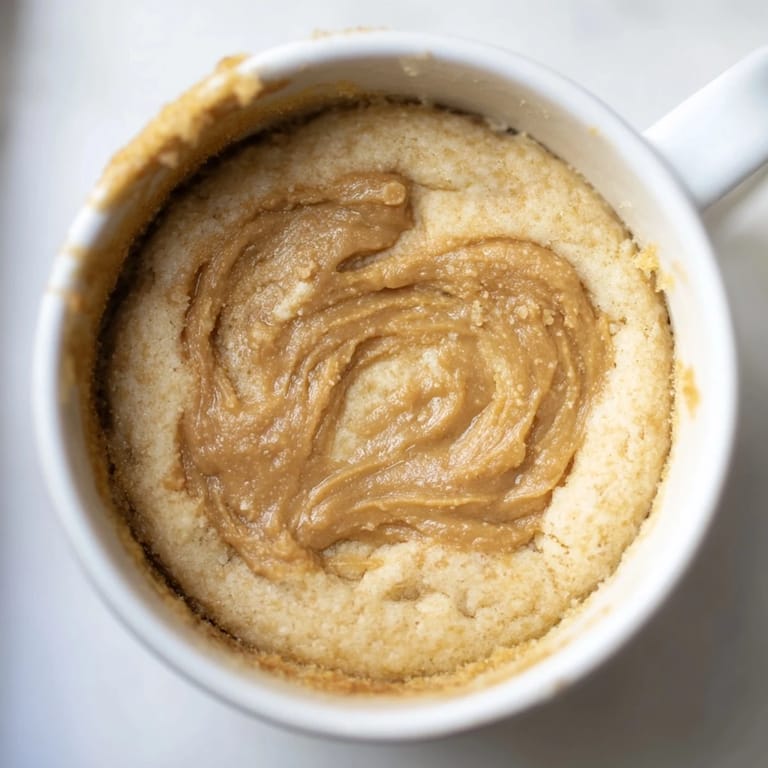
- Set the microwave to high and go for 60 to 75 seconds; the cake will rise up and the surface should look set but not dry. If the center jiggles when you gently tap the mug, give it another 5 seconds.
- Cool and savor:
- Wait just 1 to 2 minutes before eating so you don't burn your mouth, though honestly, the patience is the hardest part.
 Pin It
 There was a night when I made this for someone who said they didn't eat dessert, and they finished the whole mug. Watching them scrape the last bit of warm cake with their spoon, I realized this simple thing had somehow bypassed all their rules and reservations. It's just peanut butter and an egg, but somehow it feels like more.
The Magic of Single-Serve Desserts
There's a freedom in making dessert just for yourself without the commitment of a whole cake cooling on the counter. You get exactly what you want, exactly when you want it, and nobody feels obligated to eat more than they should. The mug becomes your bowl and your plate, which somehow makes it taste even better because there's less friction between the thought and the eating.
Customizing Your Cake
The base recipe is rock solid, but the toppings are where your personality comes in. Some mornings I add a handful of chocolate chips right before microwaving; other times I drizzle honey over the warm cake or crown it with a tiny scoop of vanilla ice cream. I've even sprinkled a few sea salt flakes on top because the salt-sweet thing is real.
Why This Works in a Microwave
The moisture-to-crumb ratio in this recipe was built for microwave cooking, where the steam trapped in the mug creates that tender, almost fluffy texture you couldn't get in a regular oven. The microwave's intensity cooks the cake fast enough that it stays moist in the center while still setting enough to hold together. It's not a trick or a hack—it's actually how this cake is meant to be.
- If your mug is too small, the batter might overflow, so use at least 12 ounces and fill it only three-quarters of the way.
- Let the cake cool for a minute even if you're desperate, because it firms up just enough to scoop and eat with a fork.
- The cake is best eaten the moment it's cool enough to eat, when it's still warm and the flavors are brightest.
 Pin It
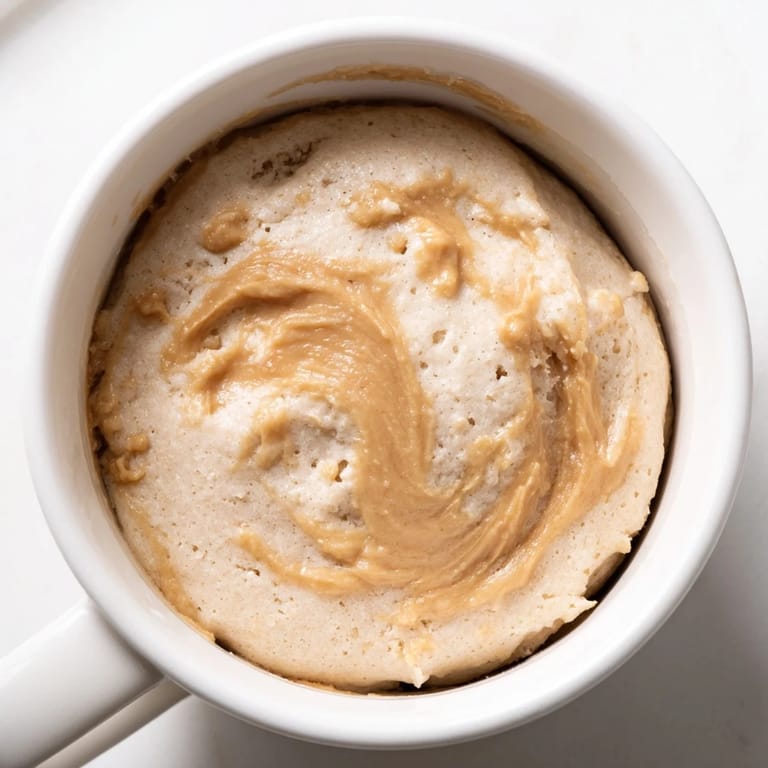
 This cake has become my quiet rebellion against the idea that good dessert requires effort or planning. It's proof that sometimes the best things in life really do come together in a mug in under three minutes.
Recipe FAQs
- → What is the best mug size to use?
A microwave-safe mug of at least 12 ounces is ideal to allow the cake to rise without spilling over.
- → Can I use dairy alternatives for the milk?
Yes, almond or oat milk works well and maintains the moist texture while offering a dairy-free option.
- → How do I avoid overcooking the cake?
Microwave for 60 to 75 seconds and watch for the cake to rise and set in the center, then remove immediately.
- → What toppings complement this cake?
Chocolate chips, a drizzle of honey, or a scoop of ice cream add indulgent flavor and texture contrasts.
- → Is natural peanut butter suitable for this cake?
Natural peanut butter offers a less sweet taste and a more robust peanut flavor, enhancing the cake's richness.