 Pin It
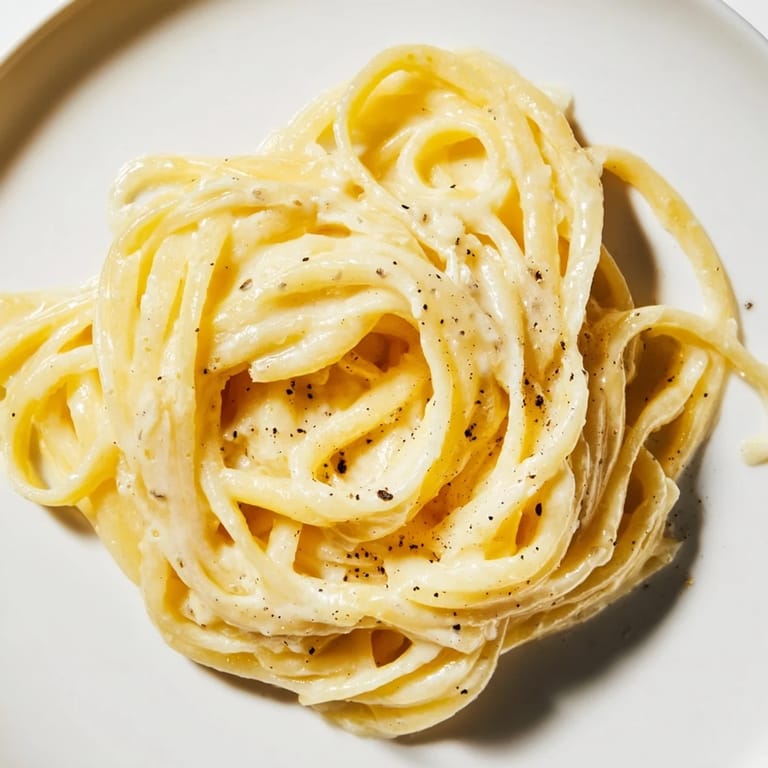
 There's a particular kind of magic in cooking when you've got almost nothing in the pantry but somehow everything you need. One Tuesday night, standing in my kitchen with three ingredients and a hungry stomach, I discovered that simplicity isn't a compromise—it's actually the point. This pasta isn't a shortcut version of something fancier; it's the real thing, the dish Italian cooks have relied on for generations when they want pure, unapologetic comfort.
I made this for my roommate during a particularly chaotic week when neither of us had energy for anything elaborate. Twelve minutes later, we were eating something that felt luxurious and restaurant-quality, and the relief on her face told me everything. That's when I realized this simple dish isn't actually simple at all—it's just honest.
Ingredients
- Dried pasta (200 g): Spaghetti, linguine, or fettuccine all work beautifully; thinner shapes help the sauce cling better, though honestly any shape you love is the right choice.
- Unsalted butter (50 g): This is where quality matters—good butter with high fat content creates that velvety texture nothing else can replicate.
- Freshly grated Parmesan cheese (60 g): Pre-grated cheese has anti-caking agents that interfere with the sauce, so take the thirty seconds to grate it yourself and feel the difference.
- Pasta water (60–80 ml): This starchy liquid is the secret ingredient nobody talks about; it's what turns butter and cheese into something creamy and cohesive instead of greasy.
- Salt and pepper: Taste as you go because you're building flavor layer by layer, not dumping everything in at once.
Tired of Takeout? 🥡
Get 10 meals you can make faster than delivery arrives. Seriously.
One email. No spam. Unsubscribe anytime.
Instructions
- Get the water boiling:
- Fill a large pot with enough water to give your pasta room to move around. Once it's rolling at a full boil, salt it generously—your pasta water should taste like the sea, and yes, that matters.
- Cook the pasta to al dente:
- Follow the package timing but pull a piece a minute early to test it; al dente means it has a slight bite to it, not soft all the way through.
- Save that liquid gold:
- Before draining, cup a measuring cup under the pasta and capture about 150 ml of starchy water; this is non-negotiable for making the sauce work.
- Bring it all together:
- Put the hot drained pasta back in the pot off the heat, add the butter, and toss continuously until every strand is glossy and coated. The pasta's residual heat will melt the butter.
- Create the sauce:
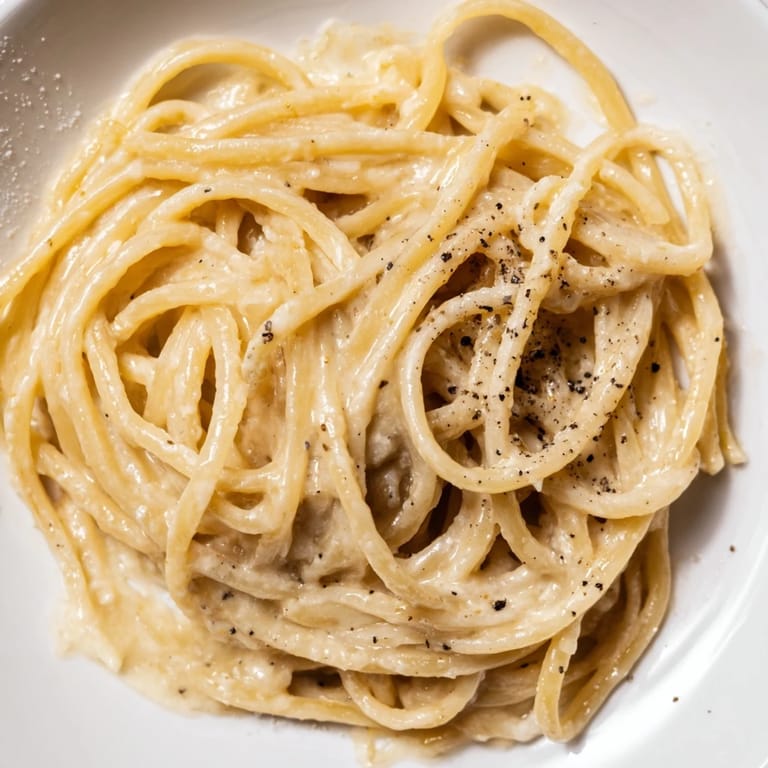
- Add your grated Parmesan and start with 60 ml of pasta water, tossing vigorously as if you're conducting a tiny orchestra. The starch in the water and the cheese will emulsify into something creamy and luxurious; keep tossing and add more water if needed until you reach that silky consistency you're after.
- Taste and finish:
- Season with salt and pepper, taste again because pasta is forgiving and you're in control, then serve immediately while everything is still hot and the sauce hasn't set.
 Pin It
 My sister called halfway through dinner asking what I was eating because apparently it sounded too good to be true. When I told her there were only three ingredients, she laughed and didn't believe me until I showed her the pot. That's the moment I knew this recipe had staying power—it's the kind of dish that surprises people because it proves that constraints breed creativity, not compromises.
Why This Works
There's a reason Italian nonnas didn't need long ingredient lists; they understood that a few perfect elements in balance create something transcendent. The butter carries the savory richness, the Parmesan adds umami depth and a slight saltiness that resonates through every bite, and the starchy pasta water acts as the emulsifier that makes everything stick together in harmony. It's a lesson in restraint and respect for core flavors.
Playing with Flavor
Once you've made this the traditional way, the door opens to gentle experiments. A whisper of freshly grated nutmeg—just a pinch—adds a warmth that somehow deepens the cheese flavor. Torn fresh herbs like parsley or chives scattered over at the end bring brightness and a hint of freshness that cuts through the richness. Some nights I swap the Parmesan for Pecorino Romano and the whole dish tilts sharper and more assertive, which feels right depending on my mood.
Beyond the Basics
What started as emergency dinner has become my go-to when I want something that feels like real cooking without the stress. It's the meal I make when someone stops by unexpectedly and I want them to feel cared for without spending an hour in the kitchen. The simplicity of it has taught me that elegant food doesn't require a long list of instructions or obscure ingredients; sometimes the most memorable meals come from knowing exactly what you have and trusting it completely.
- Toast some pasta water with the butter first if you want extra depth—just a minute of simmering can deepen the flavor.
- Grate your cheese directly onto the hot pasta rather than mixing it in cold; the warmth helps it integrate faster and more smoothly.
- Eat immediately because this sauce doesn't wait around, and that urgency is part of what makes it special.
 Pin It
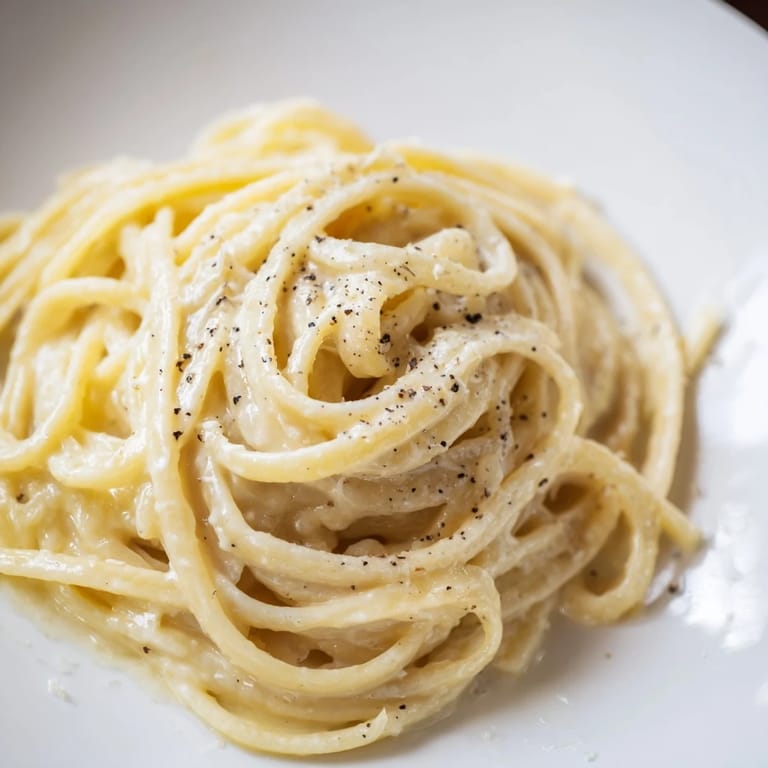
 This pasta is a reminder that the best meals don't need complicated techniques or ingredient lists that intimidate. It's proof that when you cook with intention and respect for what you're working with, even three ingredients can feed your body and your soul.
Recipe FAQs
- → How do I create the creamy sauce with minimal ingredients?
Save some pasta water after cooking. Toss hot pasta with butter and grated Parmesan, gradually adding reserved water to form a smooth, creamy sauce.
- → Can I use different types of pasta for this dish?
Yes, spaghetti, linguine, or fettuccine work well as they hold the sauce nicely.
- → What variations can enhance the flavor?
Adding a pinch of grated nutmeg or fresh herbs like parsley can add subtle complexity.
- → Is it possible to make this dish gluten-free?
Absolutely, substitute regular pasta with gluten-free alternatives to suit dietary needs.
- → How do I adjust seasoning to taste?
Season with salt and freshly ground black pepper after combining ingredients, adjusting according to preference.