 Pin It
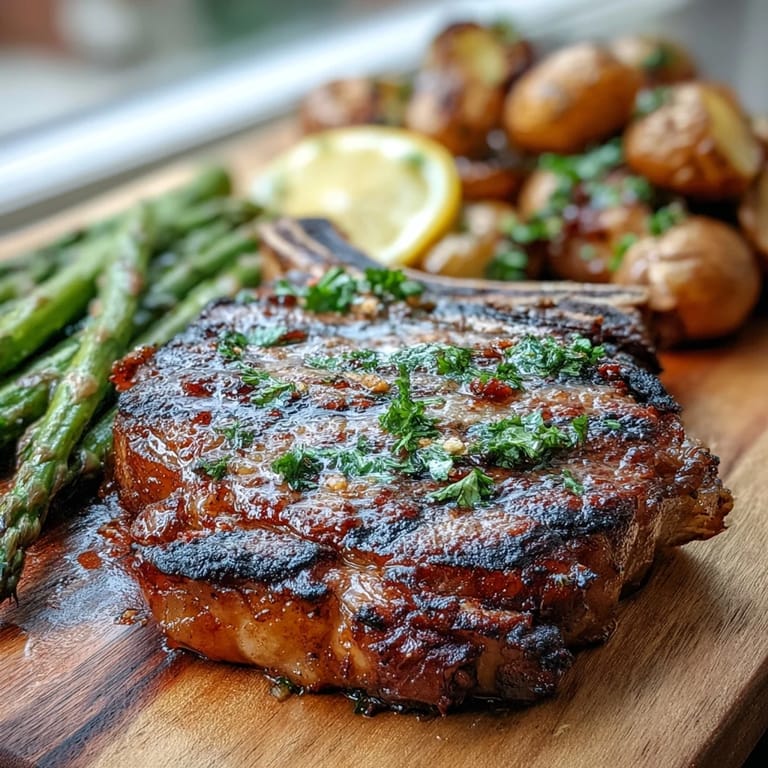
 The hiss of a thick steak hitting hot grill grates is one of those sounds that makes everything else fade away. I bought my first bone-in rib eye on a whim after a long week, thinking I'd treat myself to something special. The butcher talked me through choosing one with good marbling, and I remember feeling both excited and slightly nervous about messing it up. That night, standing at the grill with a glass of wine in hand, I realized cooking something this simple could feel like a celebration. It's become my go-to whenever I want to feel like I'm dining out without leaving home.
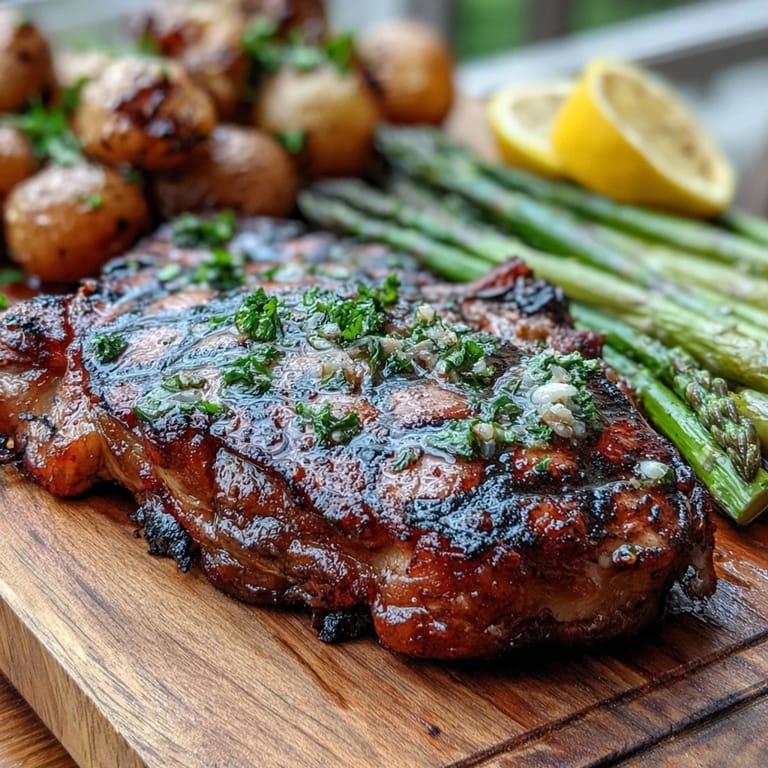
I made this for my brother's birthday last summer, and he still brings it up. We ate outside as the sun went down, and he kept saying it was better than any steakhouse he'd been to. The asparagus had these perfect grill marks, and the potatoes soaked up all that parsley butter. Watching him go quiet while he ate, totally focused on his plate, I knew I'd nailed it. It's funny how a good meal can say things you don't have words for.
Ingredients
- Bone-in rib eye steaks: The bone keeps the meat juicy and adds a depth of flavor that boneless cuts just don't have, plus it looks dramatic on the plate.
- Olive oil: Helps the seasoning stick and promotes even browning without flare-ups on the grill.
- Kosher salt: Coarse salt clings better to the meat and seasons more evenly than table salt, which can make things too salty in spots.
- Freshly ground black pepper: Cracked fresh, it has a sharp bite that mellows into smoky warmth on the grill.
- Fresh rosemary: Tossing sprigs on top while grilling infuses the steak with woodsy, aromatic flavor that smells incredible.
- Garlic cloves: Smashed cloves release their oils and perfume the meat without overpowering it.
- Baby potatoes: They cook quickly, hold their shape, and their creamy texture pairs perfectly with butter and parsley.
- Unsalted butter: Adds richness to the potatoes and lets you control the salt level without going overboard.
- Fresh parsley: Brightens everything with a fresh, grassy note that cuts through the richness of butter and steak.
- Asparagus: Grills beautifully, gets tender with a slight char, and adds a vibrant green contrast to the plate.
- Lemon wedges: A squeeze of lemon over the asparagus or even the steak adds a bright, acidic lift that balances the fat.
Tired of Takeout? 🥡
Get 10 meals you can make faster than delivery arrives. Seriously.
One email. No spam. Unsubscribe anytime.
Instructions
- Bring steaks to room temperature:
- Pull them out of the fridge half an hour before cooking and pat them completely dry with paper towels. Rub each steak with olive oil, then season generously with salt and pepper on both sides.
- Preheat the grill:
- Get your grill screaming hot, around 450 to 500 degrees Fahrenheit. You want to hear that sizzle the second the meat hits the grates.
- Grill the steaks:
- Place the steaks on the hottest part of the grill and lay rosemary sprigs and smashed garlic on top. Grill for 4 to 5 minutes per side for medium rare, then pull them off and let them rest loosely tented with foil for 8 minutes.
- Boil the potatoes:
- While the steaks cook, boil halved baby potatoes in salted water until fork tender, about 10 to 12 minutes. Drain them well and toss with butter and chopped parsley.
- Grill the asparagus:
- Toss trimmed asparagus with olive oil, salt, and pepper, then grill alongside the steaks for the last 5 minutes. Turn them once until they're tender and lightly charred with nice grill marks.
- Plate and serve:
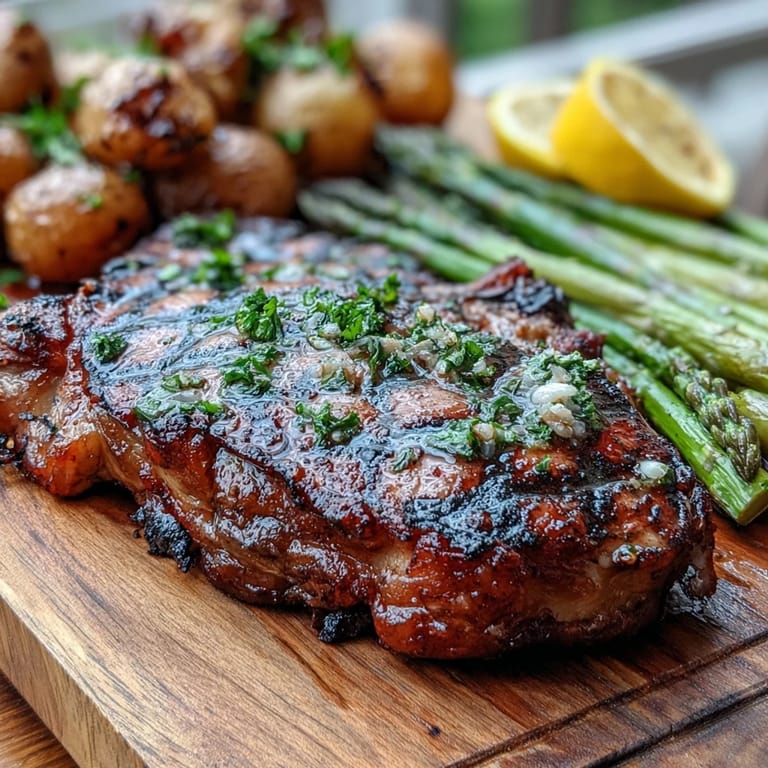
- Slice the steaks against the grain if you like, or serve them whole with the bone intact. Arrange everything on a platter with lemon wedges and watch people's faces light up.
 Pin It
  Pin It
 There's something about slicing into a perfectly cooked steak and seeing that pink center that makes you feel like you've accomplished something real. The first time I got it right, I texted a photo to my dad, who taught me to love a good steak. He called me immediately, laughing, saying I'd graduated. Now every time I make this, I think of him and those early attempts where I'd overcook everything out of fear. It's more than dinner now, it's a reminder that practice and patience pay off.
Choosing the Right Steak
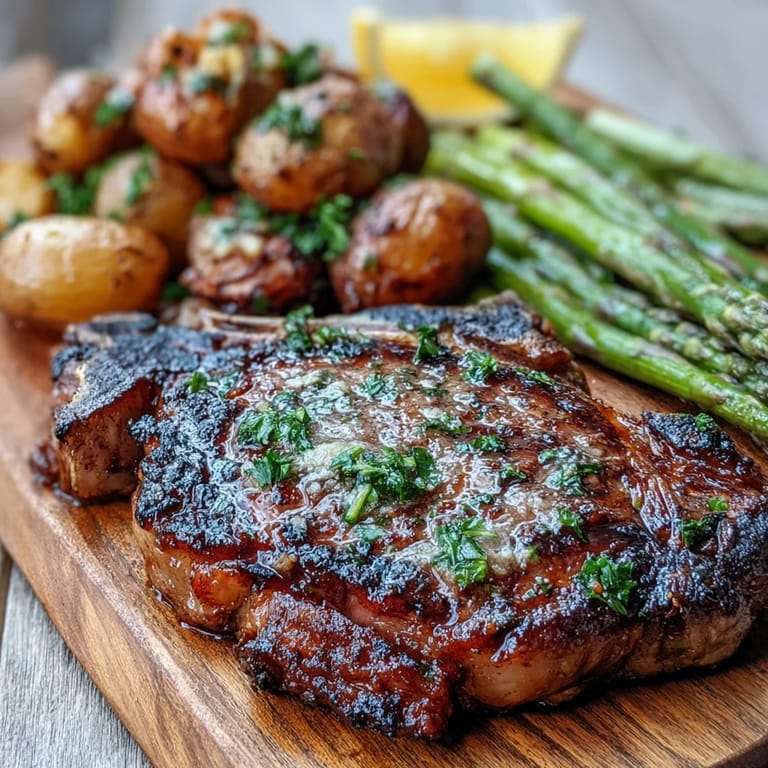
When you're at the butcher counter, look for steaks with good marbling, those white streaks of fat running through the meat. That fat melts as it cooks and keeps everything juicy and flavorful. I used to think leaner was better, but marbling is what separates a decent steak from an unforgettable one. Ask for steaks that are at least an inch and a half thick so they can develop a crust without overcooking inside. If your butcher is friendly, tell them what you're planning and they'll steer you toward the best cut they have that day.
Getting the Grill Ready
A clean, hot grill is your best friend here. I learned the hard way that old residue and a lukewarm grill lead to sticking and uneven cooking. Preheat your grill with the lid closed for at least 10 minutes, then scrub the grates with a wire brush. Oil the grates lightly with a paper towel dipped in oil and held with tongs to prevent sticking. You want those grates so hot that a drop of water sizzles and evaporates instantly. Trust me, this prep makes all the difference between a steak that releases beautifully and one that tears apart when you try to flip it.
Timing and Doneness
Use an instant read thermometer if you're unsure about doneness, aiming for about 130 degrees Fahrenheit for medium rare. The steak will continue cooking a bit as it rests, so pull it off a few degrees before your target. I used to rely on the touch test, but a thermometer takes the guesswork out and keeps you from second guessing yourself. Remember that thicker steaks need more time, and bone in cuts can cook a little unevenly near the bone.
- Let the steak rest on a cutting board or plate, not a cold surface that will cool it down too fast.
- If you're cooking for a crowd, you can hold rested steaks in a low oven loosely covered while you finish the sides.
- Save any resting juices and drizzle them over the sliced steak for extra flavor and moisture.
 Pin It
  Pin It
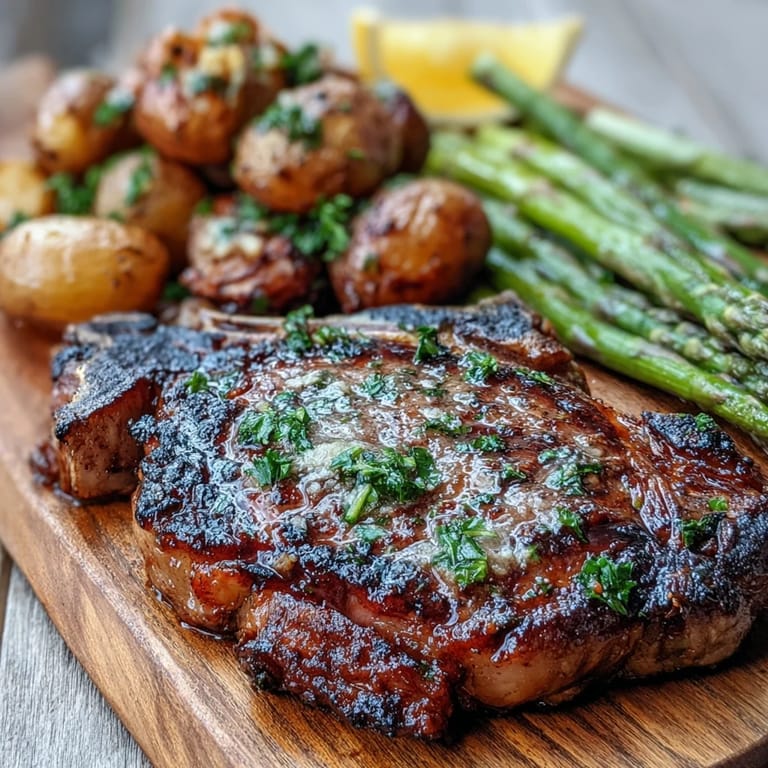
 This meal never fails to make an ordinary night feel special, and that's a gift worth keeping in your back pocket. Serve it with confidence, pour something good, and enjoy every single bite.
Recipe FAQs
- → What temperature should the steak reach for medium-rare?
For medium-rare, aim for an internal temperature of 130-135°F (54-57°C). Use a meat thermometer inserted into the thickest part of the steak, avoiding the bone. Remember the temperature will rise 5-10 degrees during resting.
- → Why is it important to let the steaks rest before serving?
Resting allows the juices to redistribute throughout the meat. If you cut into the steak immediately, the juices will run out onto the plate, leaving the meat drier. An 8-minute rest ensures maximum tenderness and flavor.
- → Can I cook this on a stovetop if I don't have a grill?
Yes, use a cast-iron skillet over high heat. Preheat the pan until smoking hot, then sear the steaks for 4-5 minutes per side. For the asparagus, roast in a 425°F oven for 10-12 minutes instead of grilling.
- → How do I know when the asparagus is done?
The asparagus should be tender-crisp with light char marks, typically after 5 minutes of grilling. The spears should bend slightly but not be limp. They'll have a vibrant green color with caramelized edges.
- → What wine pairs best with bone-in rib eye?
Bold red wines like Cabernet Sauvignon, Malbec, or Syrah complement the rich, fatty flavor of rib eye. The tannins in these wines cut through the meat's richness while enhancing its savory notes.
- → Can I prepare the sides in advance?
Yes, you can boil the potatoes up to 2 hours ahead and reheat them with butter before serving. The asparagus is best grilled fresh, but you can trim and season it earlier in the day.