 Pin It
 I was halfway through a work call when the smell of caramelizing orange hit me—my partner had started making this sticky salmon without telling me, and suddenly I didn't care about spreadsheets anymore. The glaze sizzled under the broiler, turning deep mahogany, and I realized right then that some of the best meals sneak up on you when you're not paying attention. This dish became my go-to when I want something that feels fancy but doesn't demand hours in the kitchen, and honestly, it's saved dinner more times than I can count.
My sister came over complaining about being stuck in a cooking rut, and I made this for her on a random Thursday night. She took one bite and texted me the next day asking for the recipe, which was funny because she'd watched me make it. Now every time she comes over, she asks if I'm making "that salmon thing," and I love that it's become our thing without either of us planning it that way.
Ingredients
- Salmon fillets (4, skin-on, 150 g each): Pat them bone-dry before glazing—any moisture is the enemy of that glossy caramelization you're after.
- Gochujang: This Korean chili paste is the backbone of the whole dish; don't skip it or substitute with sriracha, it changes the flavor profile completely.
- Fresh orange juice (1/4 cup): Squeeze it yourself if you can—bottled tastes one-dimensional next to the real thing.
- Soy sauce (2 tablespoons): Use full-sodium; it's what gives the glaze its savory depth.
- Honey (2 tablespoons): This balances the spice and helps the glaze caramelize and stick to the fish.
- Rice vinegar (1 tablespoon): The acidity cuts through richness and keeps every bite bright.
- Fresh ginger (1 teaspoon, grated): Grate it fresh; ground ginger feels muted in comparison.
- Garlic clove (1, minced): One is enough—you want the other flavors to shine.
- Sesame oil (1 teaspoon): A little goes a long way; it adds nutty warmth to the background.
- Jasmine rice (1 1/2 cups): The butter and salt are non-negotiable here; they transform rice from filler to actually delicious.
- Water (3 cups): Use filtered if your tap water is heavily chlorinated.
- Unsalted butter (2 tablespoons): This is what makes the rice silky, not just a vehicle for the salmon.
- Scallions (3, thinly sliced): The fresh bite at the end is crucial; slice them just before serving so they stay crisp.
- Sesame seeds (1 teaspoon, toasted, optional): If you toast them yourself, you'll taste the difference.
Tired of Takeout? 🥡
Get 10 meals you can make faster than delivery arrives. Seriously.
One email. No spam. Unsubscribe anytime.
Instructions
- Build the glaze:
- Whisk gochujang, orange juice, soy sauce, honey, rice vinegar, ginger, garlic, and sesame oil in a bowl until smooth. The gochujang might seem lumpy at first, but keep whisking—it'll break down into the orange juice and create this glossy, pourable sauce.
- Marinate the salmon:
- Pat your salmon dry (this matters), lay it skin-side down in a shallow dish, then brush 2 tablespoons of glaze over each fillet. Let it sit for 10 minutes while you handle the rice—the salt in the glaze will start drawing out moisture that helps it stick.
- Cook the rice:
- Rinse jasmine rice under cold water, stirring with your fingers until the water runs almost clear; this removes starch so the rice stays fluffy instead of turning into mush. Combine rice, water, butter, and salt in a saucepan, bring to a boil, then cover and reduce to low heat for exactly 15 minutes—don't peek, it messes with the steam.
- Prep for broiling:
- While rice cooks, line a baking sheet with foil and give it a light oil. Turn your broiler to high and let it sit there for a few minutes getting hot—you want it genuinely hot, not just warm.
- Broil the salmon:
- Lay fillets skin-side down on your sheet, brush with more glaze, then broil 5–7 inches from the heat for 6–8 minutes, brushing halfway through. You'll see the edges start to char and the top develop this deep orange-brown crust—that's the honey caramelizing, and that's when you know it's almost done.
- Thicken the remaining glaze:
- Pour leftover glaze into a small saucepan and simmer for 2–3 minutes over medium heat; it'll reduce slightly and coat the back of a spoon, creating this glossy sauce that makes everything taste intentional.
- Assemble and serve:
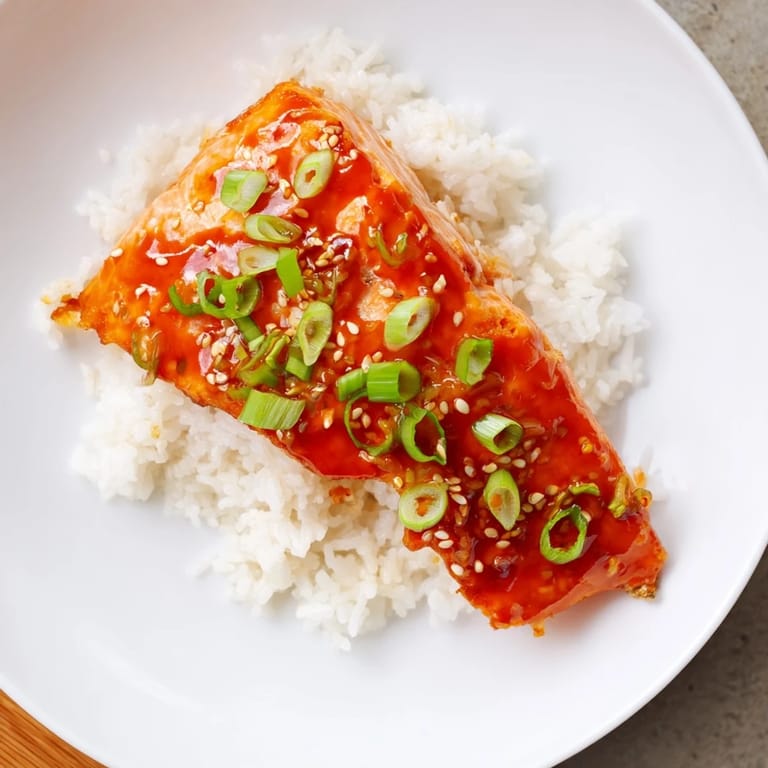
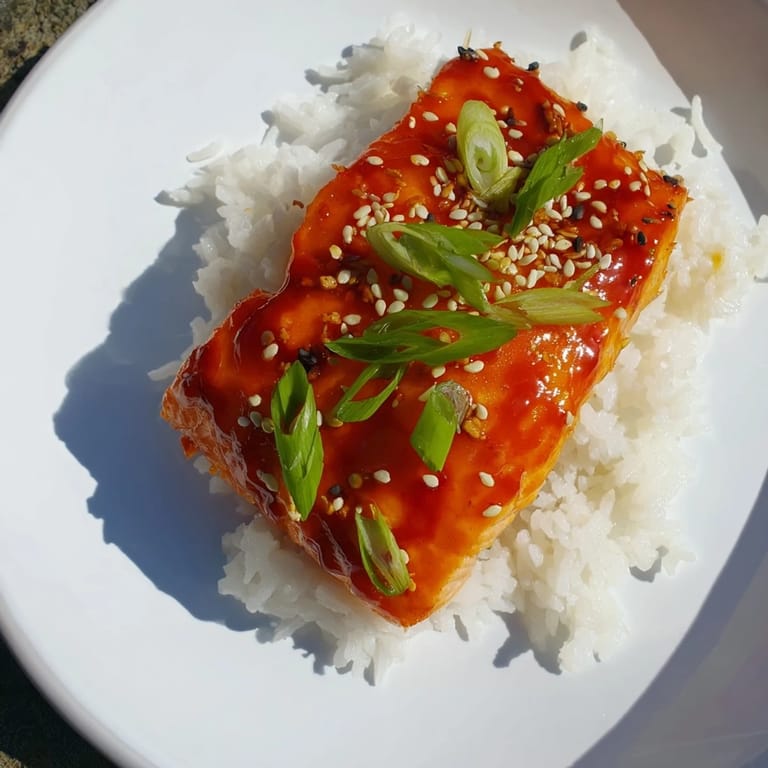
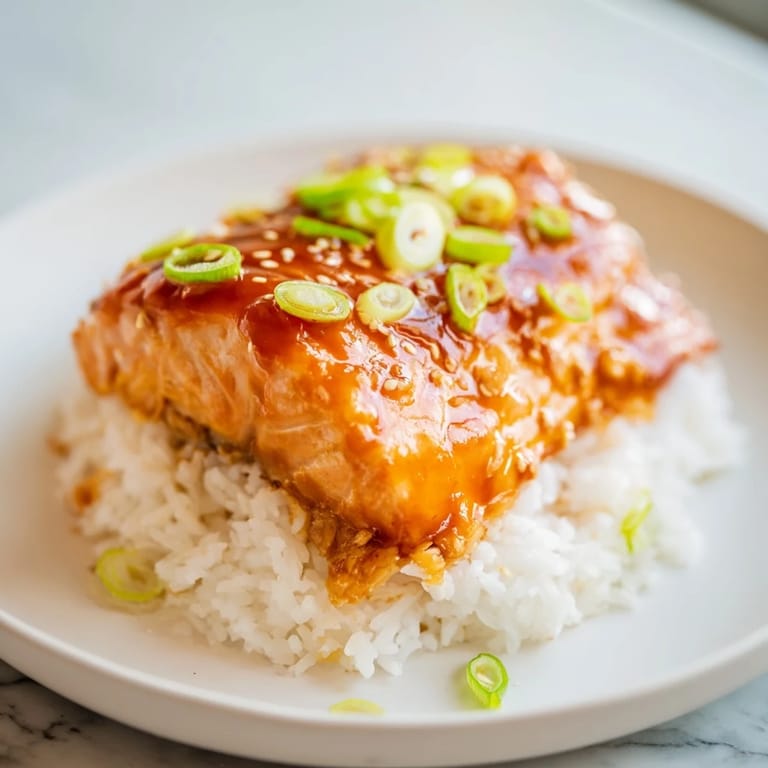
- Fluff the rice with a fork, divide among bowls, top each with a salmon fillet, drizzle with thickened glaze, then shower with scallions and sesame seeds. Orange zest on top adds visual interest and a final hit of brightness.
 Pin It
 There's this moment about halfway through cooking when the kitchen smells so good that you can't help but smile—that's what this dish does, it fills the whole space with this warm, spicy-sweet aroma that makes everyone wonder what you're doing. It's one of those meals that makes people feel fed, not just full.
Why This Glaze Works So Well
The magic here is balance—gochujang brings heat and umami depth, orange juice adds bright acidity and sweetness, and soy sauce ties it all together with salt and savory funk. Honey isn't just sweetness; it's also a binder that makes the glaze stick to the fish instead of sliding off, and it helps with that caramelization you see on the top. The rice vinegar and sesame oil are supporting players, but they're what separate this from just tossing fish with ketchup and calling it a day.
The Rice Matters More Than You Think
I used to think jasmine rice was just jasmine rice, but butter and salt transform it into something that stands up to the bold glaze instead of just absorbing it passively. The fluffiness comes from respecting the water-to-rice ratio and not lifting the lid—steam is doing the work, and you have to let it finish. I've also made this with brown rice when I wanted something heavier, and it works, but jasmine is softer and more delicate, which feels right against that aggressive glaze.
Serving and Pairing Ideas
This dish sits somewhere between weeknight comfort and dinner party polish, so serve it however feels right for the moment. I'll sometimes add steamed bok choy or sautéed snap peas on the side if I want more vegetables, though honestly the scallions and a squeeze of extra orange are usually enough.
- A crisp Sauvignon Blanc or citrusy IPA balances the spice and cuts through the richness of the salmon and butter.
- If you want to add heat, stir a pinch of chili flakes into the glaze at the beginning—it won't overpower the other flavors, just give them an edge.
- Leftovers are genuinely good cold the next day, straight from the fridge with the rice as a kind of salmon and glaze bowl.
 Pin It
 This is the kind of recipe that feels like it might intimidate you until you actually make it, and then you realize how simple it is. Once you understand how the glaze works, you'll start improvising with it on other proteins or even roasted vegetables.
Recipe FAQs
- → What type of rice works best for this dish?
Jasmine rice is ideal for its fragrant aroma and fluffy texture, complementing the rich salmon glaze.
- → Can I adjust the spice level in the glaze?
Yes, adding a pinch of chili flakes to the glaze enhances heat without overpowering the citrus sweetness.
- → How should the salmon be cooked for best results?
Broiling the salmon skin-side down caramelizes the glaze nicely, cooking it through while keeping the interior moist.
- → Are there any suitable alternatives to gochujang?
While gochujang offers a unique flavor, a mix of chili paste and miso can provide a similar tangy-spicy profile.
- → What garnishes complement the flavors?
Fresh scallions, toasted sesame seeds, and a sprinkle of orange zest add brightness and texture to the dish.
- → Can the dish be prepared ahead of time?
Marinating the salmon in advance deepens the flavor, though broiling is best done fresh before serving for optimal texture.