 Pin It
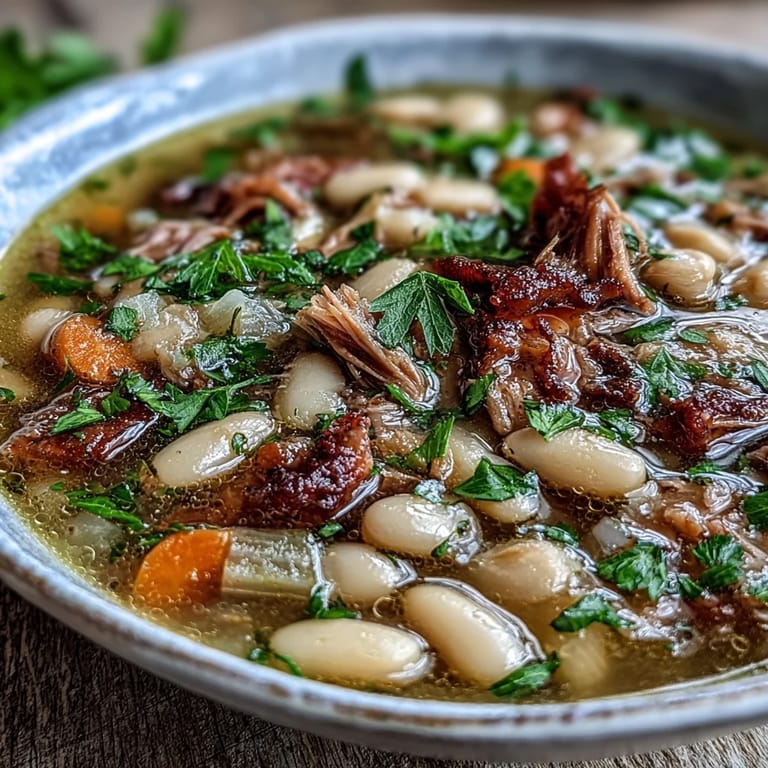
 My grandmother's kitchen smelled like this soup on the coldest days of February—ham hock simmering for hours until the broth turned golden and rich. She'd start it before dawn, and by the time we trudged in from school, the whole house felt warm just from breathing it in. I watched her hands move through the same motions every winter, never consulting a recipe, just muscle memory and love. That's when I understood that some dishes aren't just meals; they're how people say they care about you. This soup became my way of doing the same.
I made this for my neighbor last spring when she came home from the hospital, and watching her close her eyes after that first spoonful told me everything. She asked for the recipe, but really, I think she was asking for permission to let someone take care of her for a while. That's what this soup does—it meets people exactly where they are, whether they need warmth or healing or just a reason to sit down together.
Ingredients
- Smoked ham hock (1 large, about 1–1.5 lb): This is your secret weapon—it gives the broth its deep, smoky soul without any extra fuss, and you can find them in the meat section year-round.
- Dried great northern or cannellini beans (1 lb): Soak these overnight so they cook evenly and break down into creamy clouds; canned won't give you that same silky texture.
- Yellow onion, carrots, celery (1 onion, 2 carrots, 2 stalks): This aromatic base is called mirepoix, and it's been building flavor in pots for centuries—don't skip it.
- Garlic (3 cloves, minced): Fresh garlic punches through the richness of the ham and beans; dried won't do the same thing.
- Bay leaves (2): They steep into the broth and disappear, leaving behind a subtle herbal note that ties everything together.
- Dried thyme (1 tsp): This herb loves slow cooking and plays beautifully with smoked meat and earthiness of beans.
- Smoked paprika (1/2 tsp): Optional, but it deepens the flavor if you want to amplify that smoky character.
- Black pepper and salt: The ham hock adds salt as it cooks, so taste at the end rather than salting early.
- Low-sodium chicken broth (8 cups): Use broth instead of water for better flavor, and low-sodium lets the ham hock shine without things getting too salty.
- Fresh parsley (2 tbsp): A final sprinkle brings brightness and color to bowls that might otherwise look monochromatic.
Tired of Takeout? 🥡
Get 10 meals you can make faster than delivery arrives. Seriously.
One email. No spam. Unsubscribe anytime.
Instructions
- Build your pot:
- In a large Dutch oven, combine your soaked and drained beans with the ham hock, all the vegetables, garlic, and herbs—this is where the magic starts, with everything ready to become one cohesive pot. It should look crowded and full of promise.
- Add the liquid:
- Pour in the chicken broth and give everything a stir so nothing sticks to the bottom. The broth should cover everything by about an inch.
- Get it to a boil:
- Crank the heat to high and let it come to a rolling boil—this wakes up the flavors and the beans start their softening journey. You'll see little bubbles racing across the top, and that's when you know it's time to back off the heat.
- Low and slow is the way:
- Reduce to low, cover the pot, and let it simmer gently for 2 hours, stirring occasionally so nothing settles and sticks. The house smells incredible around hour one, so don't be surprised if someone wanders in asking what's cooking.
- Handle the ham hock:
- After 2 hours, fish out the ham hock with tongs and set it on a plate to cool slightly—you're looking for meat that shreds easily. Once it's cool enough to handle, pick away the meat from the bone and skin, shred it into bite-sized pieces, and return it to the pot.
- The final simmer:
- Leave the pot uncovered for another 30 minutes, letting the broth reduce and thicken slightly and the beans become completely tender. If things get too thick, add more broth or water—you want something between a thick soup and a stew.
- Taste and season:
- Remove the bay leaves with a spoon, taste a spoonful, and add salt only if it needs it. The ham hock has already gifted its saltiness, so go easy.
- Serve with gratitude:
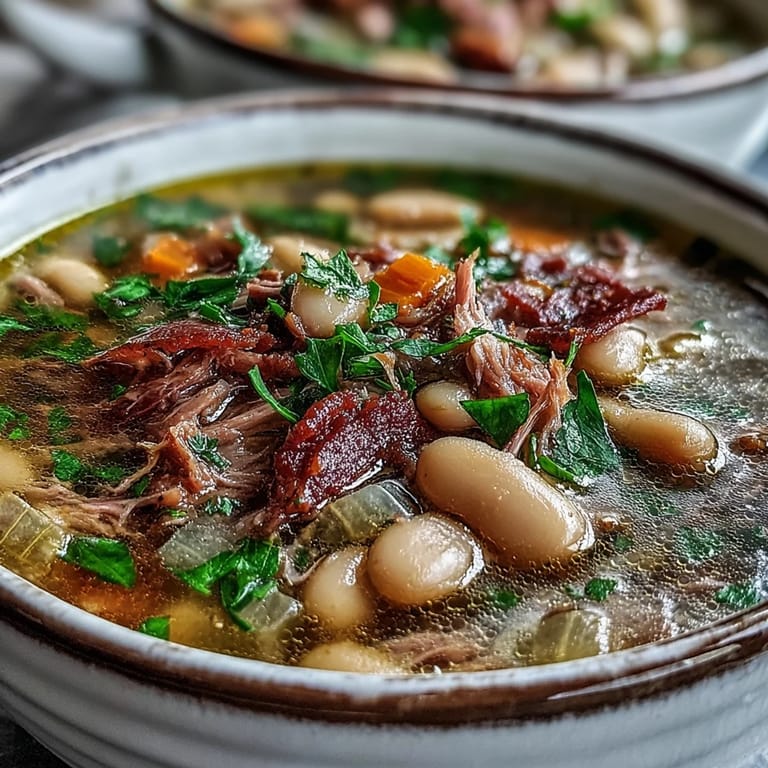
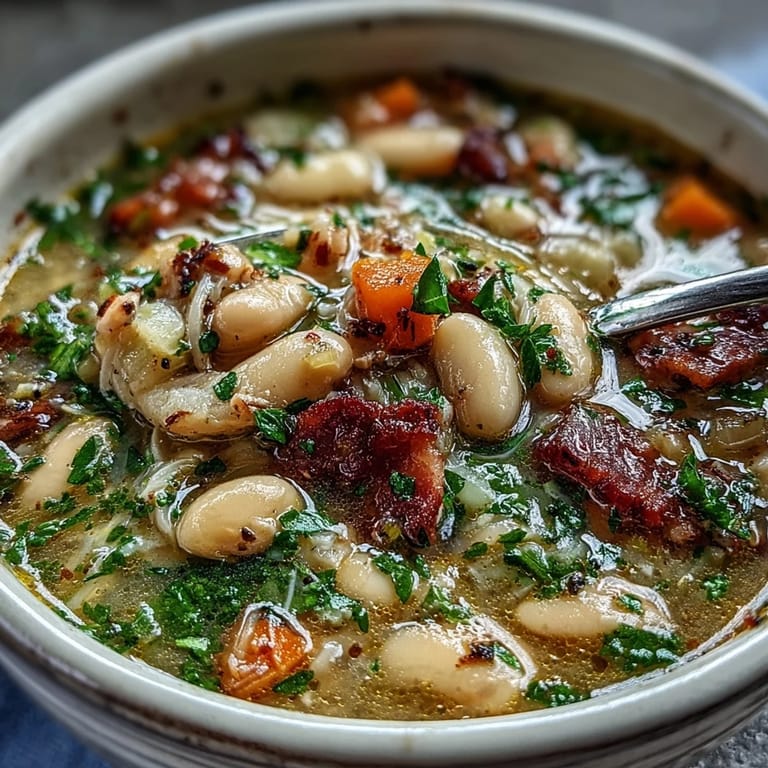
- Ladle into bowls and shower each one with fresh parsley for color and brightness. Pair with cornbread or crusty bread to soak up every drop.
 Pin It
 There was a winter when my friend couldn't afford much, and I filled her freezer with containers of this soup without making it weird or heavy. Six months later, she told me those meals gave her something to look forward to on the hardest days. That's when I realized this isn't just a recipe—it's a way of saying 'you matter' in the language of warmth and nourishment.
Why This Soup Feels Like Home
Southern cooks understood something essential: the best meals come from time and not much else. This soup asks only that you show up with ingredients and patience, and it repays you with something far greater than calories. There's no fancy technique to learn, no last-minute stress—just the quiet alchemy of good ingredients becoming something that feeds body and spirit.
Making It Your Own
I've added diced spinach in the last 10 minutes, a splash of hot sauce for people who want heat, and even a touch of apple cider vinegar if the broth tastes flat. The beauty of this soup is that it's forgiving—it welcomes your adjustments like it's been waiting for you to make it personal. Don't be afraid to taste constantly and trust what your palate tells you.
Storage and Make-Ahead Magic
This soup actually tastes better the next day once all the flavors have become friends, and it freezes for up to three months in containers or freezer bags. I often make a double batch on a quiet Sunday, knowing I have warmth waiting for difficult weeks ahead. Thaw overnight in the refrigerator and reheat gently on the stove, adding a splash of broth if it's thickened too much.
- Cool completely before freezing to avoid condensation and freezer burn.
- Leave about half an inch of headspace in containers since soup expands as it freezes.
- Label with the date so you remember what's been hiding in the back of your freezer.
 Pin It
 Make this soup and you'll understand why it's been feeding people through winters for generations. It's not complicated, but it's honest, and sometimes that's exactly what matters.
Recipe FAQs
- → What type of beans work best?
Great northern or cannellini beans are ideal due to their creamy texture and ability to absorb flavors during cooking.
- → Can I use broth alternatives?
Low-sodium chicken broth provides depth, but water may be used for a lighter base, adjusting seasoning accordingly.
- → How long should I cook the ham hock and beans?
Simmering for about 2 hours allows the beans to soften and the ham hock to impart smoky richness into the dish.
- → What herbs enhance the flavor?
Bay leaves, thyme, and smoked paprika subtly elevate the savory profile without overpowering the natural ingredients.
- → How do I achieve a creamier texture?
Mashing a portion of the beans against the pot's side before serving creates a thicker, creamier consistency.
- → Is this dish gluten-free?
Yes, provided the broth is gluten-free and all ingredients are verified free of gluten-containing additives.