 Pin It
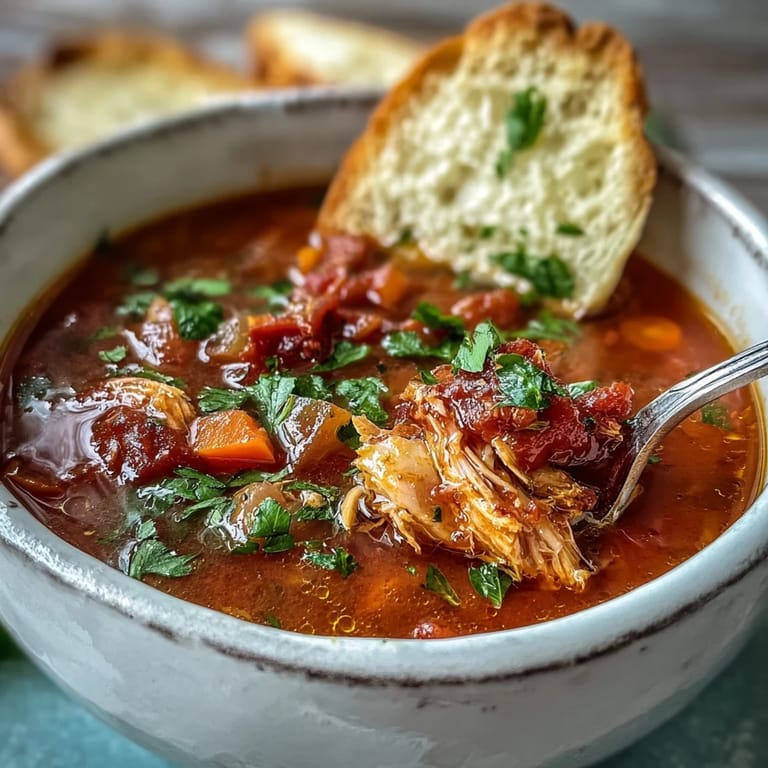
 That first crisp autumn evening when the sky darkened earlier than I expected, I stumbled upon this tuna and tomato soup by happy accident. Standing in my kitchen, staring at a nearly empty pantry save for some canned goods, I remembered my Italian neighbor's casual mention of her quick fish soup. The combination of rich canned tuna with bright tomatoes transformed my desperation dinner into something that felt purposeful and comforting.
Last winter, I made this soup for my sister when she dropped by unexpectedly during a snowstorm. We sat at the kitchen counter, steam rising from our bowls, the windows frosted over, as she shared news about her engagement. Now whenever I make this soup, I think of her smile that night and how sometimes the simplest meals create the strongest connections.
Ingredients
- Canned tuna in olive oil: The olive oil from the tuna adds an extra layer of flavor, so drain it gently and save a bit to stir back in at the end.
- Diced tomatoes: Fire-roasted varieties work beautifully here, adding a subtle smoky undertone that complements the tuna.
- Dried herbs: I once ran out of both dried oregano and basil and used herbes de Provence instead, which created a lovely variation worth trying.
- Vegetables: The classic soffritto of onion, carrot and celery builds a flavor foundation that makes this simple soup taste far more complex than its ingredient list suggests.
Tired of Takeout? 🥡
Get 10 meals you can make faster than delivery arrives. Seriously.
One email. No spam. Unsubscribe anytime.
Instructions
- Build the flavor base:
- Heat olive oil in a large saucepan over medium heat, then add your diced onion, carrot, and celery. Listen for that gentle sizzle as they hit the hot oil and stir occasionally until they soften and the kitchen fills with their sweet aroma.
- Intensify with aromatics:
- Stir in the minced garlic and watch it closely for just a minute until it becomes fragrant but not brown. Add the tomato paste and cook briefly, noticing how it darkens slightly and coats the vegetables.
- Create the broth:
- Pour in those diced tomatoes and listen to the satisfying sizzle as they hit the hot pan. Add the vegetable broth along with your herbs and red pepper flakes, stirring to combine everything into a vibrant red broth.
- Simmer to marry flavors:
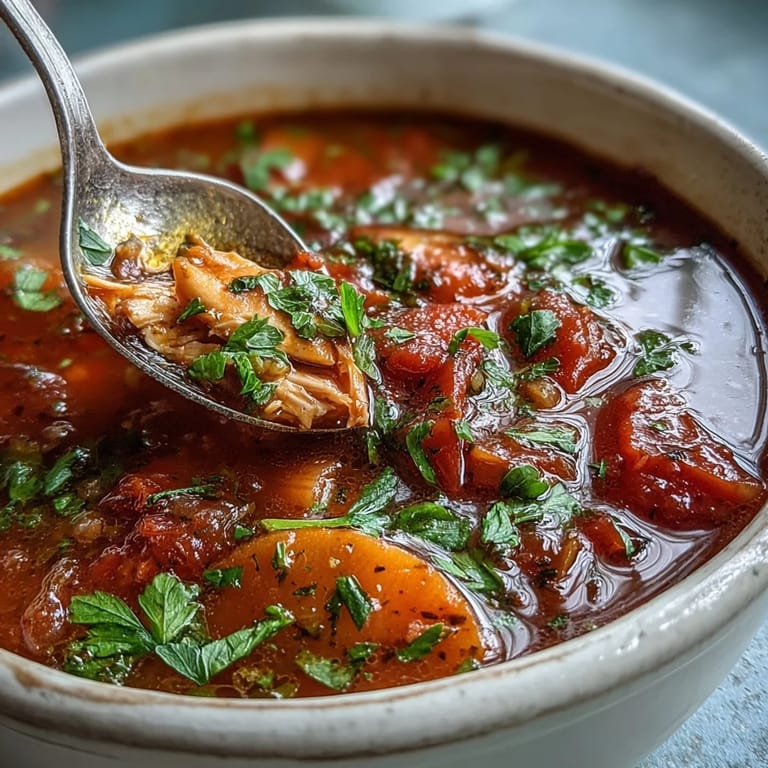
- Bring everything to a gentle bubble, then lower the heat to maintain a steady simmer for 8-10 minutes. Youll know the vegetables are ready when they yield easily when pressed against the side of the pot.
- Introduce the tuna:
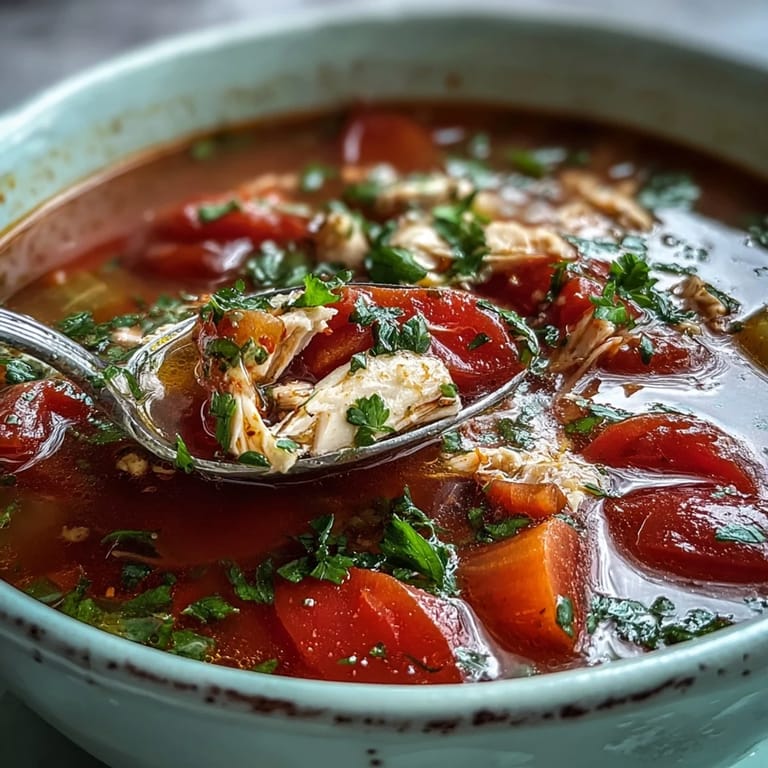
- Gently fold in your flaked tuna, being careful not to break it up too much. Let it warm through for just 2-3 minutes, which is enough time for it to absorb the flavors without becoming tough.
- Final adjustments:
- Taste the soup and adjust with salt and pepper, noticing how they brighten and balance all the flavors. The soup should taste complete but not overwhelming in any single direction.
 Pin It
 One evening when I was battling a stubborn cold, I made this soup with extra red pepper flakes and found the gentle heat incredibly soothing. My partner, who typically avoids fish dishes, asked for seconds and then quietly added this recipe to our regular rotation. Its become our unspoken comfort food when either of us is feeling under the weather or just needs a little care.
Serving Suggestions
Ive discovered that a slice of crusty sourdough bread rubbed with a clove of garlic and lightly toasted makes the perfect companion to this soup. The bread becomes a vehicle for soaking up every last drop, turning what might have been left in the bowl into the most coveted bites of the meal. Some friends prefer to crumble the bread directly into the soup, creating a rustic texture similar to a ribollita.
Simple Variations
After making this soup dozens of times, Ive played with various additions that work beautifully with the base recipe. A handful of baby spinach wilted in at the last minute adds color and nutrition, while a can of drained white beans creates a heartier meal that can stretch to feed unexpected guests. For a more Mediterranean twist, a few chopped olives and a sprinkle of capers add briny pops of flavor that complement the tuna perfectly.
Storage and Leftovers
This soup develops even deeper flavors overnight in the refrigerator, making it an excellent make-ahead option for busy weeks. The texture changes slightly as the vegetables continue to soften and release their flavors into the broth, creating an almost stew-like consistency by the second day.
- Store in an airtight container in the refrigerator for up to 3 days, avoiding metal containers which can react with the tomato acid.
- When reheating, do so gently over medium-low heat just until warmed through to prevent the tuna from becoming rubbery.
- Add a splash of fresh broth or water if the soup has thickened too much during storage.
 Pin It
 This humble soup has taught me that extraordinary meals dont require extraordinary effort or ingredients. Sometimes the most memorable dishes come from the simplest combinations, prepared with care and shared with people we love.
Recipe FAQs
- → Can I use fresh tuna instead of canned?
Fresh tuna can be used, but it will require longer cooking time. Grill or sear fresh tuna separately, then add it during the last few minutes to prevent overcooking and maintain texture.
- → How long does this soup keep in the refrigerator?
This soup stores well in an airtight container for 3-4 days. The flavors often improve overnight as the ingredients meld together. Reheat gently on the stovetetop.
- → Can I freeze this soup?
Yes, this soup freezes beautifully for up to 3 months. Cool completely before transferring to freezer-safe containers. Thaw overnight in the refrigerator before reheating.
- → What can I substitute for vegetable broth?
Chicken broth works well if you're not strictly vegetarian. Fish stock or seafood broth would enhance the seafood flavors. Water with additional herbs and seasonings is another option.
- → Is this soup suitable for meal prep?
Absolutely. The soup reheats beautifully and can be made in batches. Prepare vegetables ahead and store separately, then cook when ready. Or make the full soup and portion into containers for easy grab-and-go lunches.
- → Can I add pasta to make it more filling?
Small pasta shapes like ditalini, orzo, or small shells work wonderfully. Add pasta during the last 8-10 minutes of simmering, as it will cook directly in the broth and absorb flavors.