 Pin It
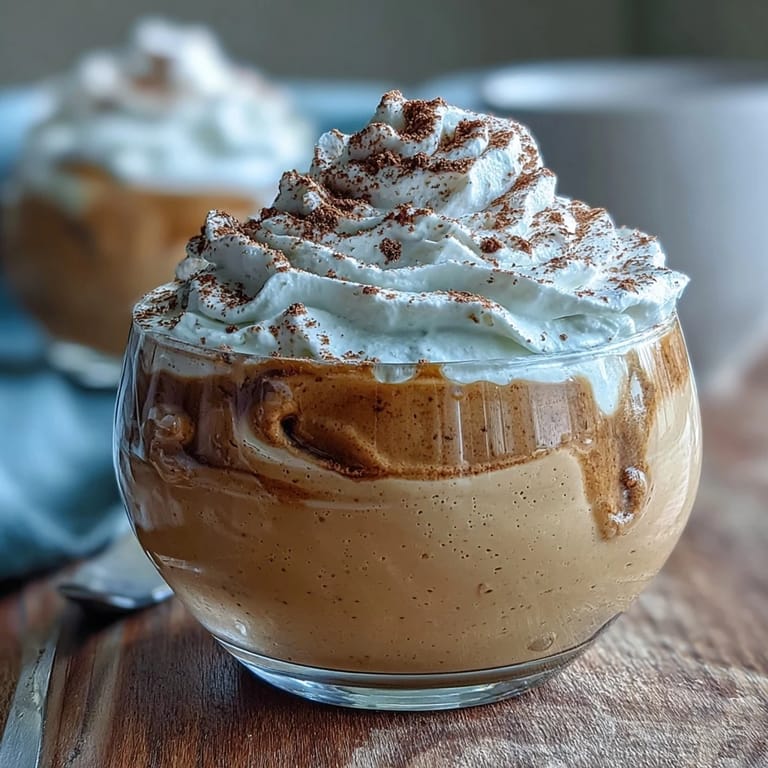
 The first time I encountered hojicha was in a tiny Tokyo café where the waiter brought out this gorgeous amber pudding, barely sweet and smelling like someone had just roasted chestnuts nearby. I spent weeks trying to recreate that specific earthy creaminess at home, burning milk, under-steeping tea, and generally making a mess of my kitchen before landing on this version. Now it is the dessert I make when I want something elegant but do not have hours to spend at the stove.
Last autumn my neighbor came over for tea and I served these instead of cookies, watching her face light up at that first spoonful of warm custard hitting the roasted tea notes. She asked for the recipe before she even finished her portion, which is basically the highest compliment my cooking has ever received.
Ingredients
- 2 cups whole milk: The fat content is essential here because it carries those roasted tea notes and creates that velvety restaurant texture
- 1/2 cup heavy cream: Do not skip this unless you want pudding that feels thin and sad
- 2 tablespoons hojicha loose leaf tea: Loose leaf gives better flavor than bags but both work, just squeeze those bags before discarding
- 1/4 cup granulated sugar: This is the sweet spot where the pudding tastes dessert like but still lets the tea shine through
- 2 large eggs: Room temperature eggs incorporate better so set them out before you start anything else
- 1 teaspoon vanilla extract: Pure vanilla makes a subtle difference worth the extra cost
Tired of Takeout? 🥡
Get 10 meals you can make faster than delivery arrives. Seriously.
One email. No spam. Unsubscribe anytime.
Instructions
- Warm the dairy mixture:
- Combine the milk and heavy cream in a saucepan over medium heat, watching closely until you see tiny bubbles form around the edges but the liquid is nowhere near boiling.
- Steep the hojicha:
- Pull the pan from the heat, stir in the tea leaves, cover and let it sit for five to seven minutes while you gather everything else.
- Strain and return:
- Pour the mixture through a fine mesh strainer back into the saucepan, pressing on the leaves to extract every bit of that roasted flavor.
- Whisk the eggs:
- In a mixing bowl, beat the sugar and eggs until the mixture turns pale and falls from the whisk in ribbons.
- Temper carefully:
- Slowly drizzle about a cup of the warm tea infused milk into the eggs while whisking constantly, then pour everything back into the saucepan.
- Stir in vanilla:
- Add the vanilla extract now so it has time to bloom in the warm mixture.
- Cook to thickness:
- Set the heat to low and stir continuously with a spatula until the custard coats the back of a spoon, about five to seven minutes.
- Strain again:
- Pour the custard through a fine sieve into your serving vessels to catch any cooked bits of egg.
- Chill completely:
- Let the puddings reach room temperature, then refrigerate for at least two hours until fully set.
- Serve simply:
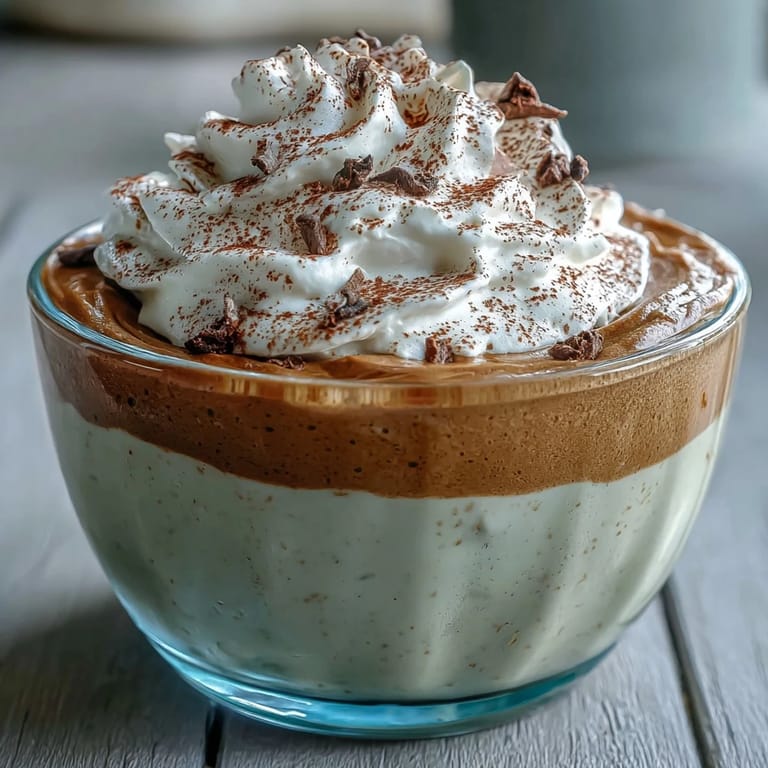
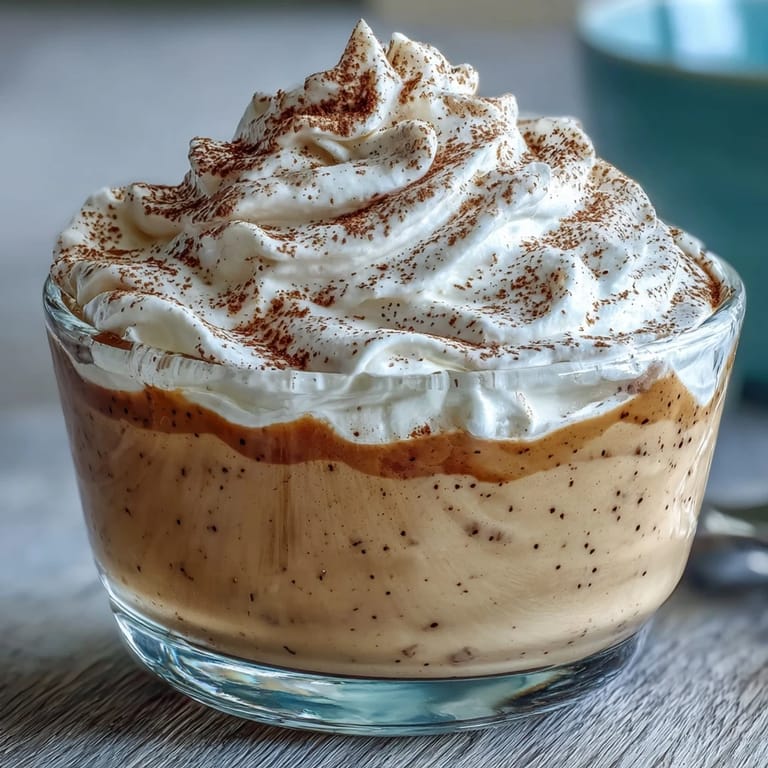
- Top with whipped cream and a dusting of cocoa powder or crushed tea leaves right before serving.
 Pin It
 My sister in law who claims she hates tea desserts took one bite and asked if I could make these for her birthday instead of cake. That is when I knew this recipe was a keeper.
Getting the Steep Right
The difference between a pudding that tastes vaguely tea adjacent and one that really sings comes down to steeping time. Five minutes gives a gentle background note while seven minutes pushes that roasted flavor front and center. I tend toward the longer steep because hojicha is naturally mellow than other Japanese teas.
Making It Vegan
Coconut milk actually works beautifully here and creates an even richer mouthfeel than the dairy version. Just remember that plant based creams set differently so you might need closer to three hours of chilling time. The flavor profile shifts slightly tropical but the roasted tea still comes through clearly.
Serving Ideas
Sometimes I serve these in espresso cups for an elegant dessert course that feels substantial without being heavy. Other times I layer them with crushed shortbread cookies in small glass jars for a parfait style presentation. The custard is also lovely poured over vanilla ice cream while still warm.
- Try pairing with white peaches in the summer
- A pinch of flaky sea salt on top transforms it completely
- Leftover custard makes the most incredible french toast the next morning
 Pin It
 There is something deeply soothing about ending a meal with something this gentle, this perfectly balanced between comfort and sophistication.
Recipe FAQs
- → What does hojicha taste like?
Hojicha delivers a distinctive roasted, earthy flavor with nutty undertones and subtle sweetness. Unlike other green teas, it has lower caffeine and a warm, toasty profile that pairs beautifully with creamy desserts.
- → Can I make this ahead of time?
Absolutely. This custard actually improves after chilling overnight. The flavors meld and deepen, making it perfect for preparing a day before serving. Keep covered in the refrigerator until ready to enjoy.
- → What's the difference between using loose leaf versus powder?
Loose leaf tea requires steeping and straining, yielding a delicate infusion. Hojicha powder dissolves directly into the mixture, creating a more intense flavor and darker color. Adjust quantity accordingly—use less powder than loose leaf.
- → Why did my custard curdle?
Curdling occurs from excessive heat or rushing the tempering process. Always whisk warm dairy into eggs gradually, and cook over gentle low heat while stirring continuously. The mixture should thicken slowly without reaching a boil.
- → How long does this keep in the refrigerator?
Properly stored in covered ramekins or glasses, this custard stays fresh for 3–4 days. The texture remains creamy, though the surface may develop a thin layer—simply stir gently before serving if desired.
- → Can I use other tea varieties?
Matcha creates a vibrant green version with grassy notes. Sencha offers a lighter, more delicate flavor. Earl Grey or chai would produce interesting variations, though they'd depart from the traditional Japanese profile.