 Pin It
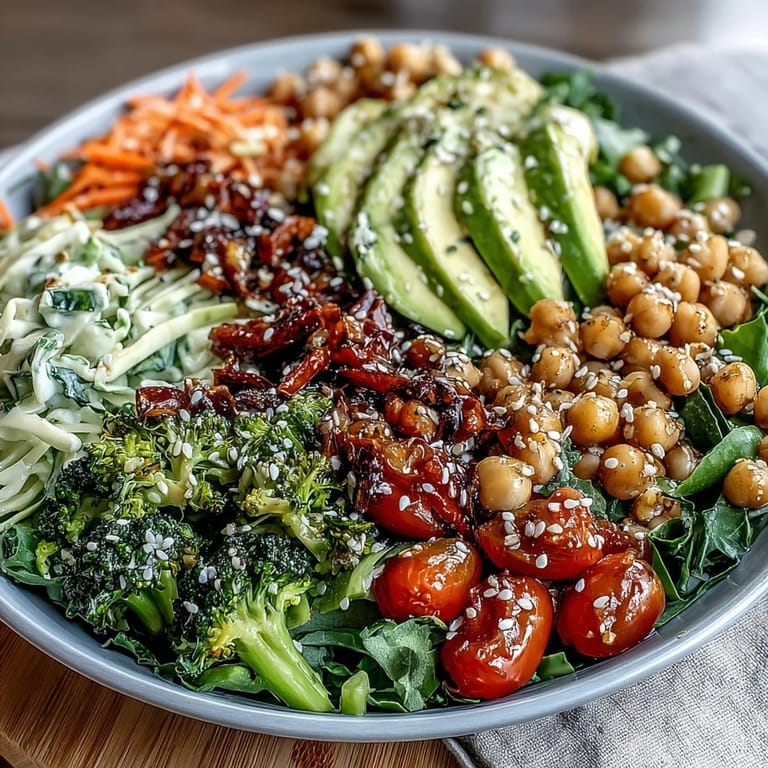
 My coworker showed up one Tuesday with this impossibly colorful bowl, and I remember thinking she'd cracked some kind of wellness code I didn't have access to. She let me taste a forkful—the sesame oil hit first, then that sharp ginger wake-up call, and suddenly I was asking for the recipe before she'd even finished lunch. Turns out it's deceptively simple, the kind of meal that looks like you spent hours in the kitchen when really you just arranged beautiful things on a plate and drizzled them with liquid gold.
I made this for a potluck once and brought four bowls, thinking nobody would go for vegetables without cheese or cream. They were gone within fifteen minutes, and someone actually asked if I'd catered it. That was the moment I realized colorful food does something to people—it signals freshness and care before they've even tasted it.
Ingredients
- Brown rice or quinoa (1 cup uncooked): Quinoa cooks slightly faster and has a nuttier flavor, while brown rice is heartier and more forgiving if you're distracted. Either one gives you a neutral base that lets the vegetables shine.
- Cherry tomatoes (1 cup, halved): Halving them releases their juices into the dressing—don't skip this step or you lose flavor.
- Red cabbage (1 cup shredded): It's sturdy enough to sit in the fridge without getting sad, and that deep color is half the appeal.
- Carrots (1 cup shredded): Raw carrots keep their snap, which matters when everything else is soft.
- Yellow bell pepper (1, thinly sliced): The bright flavor cuts through the richness of the sesame oil like a knife.
- Broccoli florets (1 cup, lightly steamed or raw): Raw gives you crunch; steamed makes it slightly sweeter and easier to digest.
- Avocado (1, sliced): Add this right before eating or it browns—learned that the hard way.
- Cooked chickpeas (1 cup): Canned is fine; just rinse them to cut the sodium and make the dressing flavor stand out.
- Sesame seeds (2 tbsp): Toast them yourself if you have time—the smell alone is worth it.
- Fresh cilantro or parsley (2 tbsp chopped): Cilantro if you're brave, parsley if you want brightness without the soapy risk.
- Green onions (2, sliced): Use the white and light green parts; save the dark green tops for garnish.
- Toasted sesame oil (3 tbsp): This is non-negotiable—regular sesame oil tastes like nothing, toasted sesame oil tastes like a hug.
- Tamari or soy sauce (3 tbsp): Tamari if anyone's gluten-free, soy sauce if you want the deeper umami.
- Rice vinegar (2 tbsp): The gentler cousin of other vinegars; it plays nice instead of dominating.
- Maple syrup or honey (1 tbsp): This rounds out the sharpness and makes the dressing feel intentional.
- Fresh ginger (1 tbsp, grated): Microplane it if you have one so you get actual juice, not just fiber.
- Garlic (1 clove, minced): One clove is enough—more and you're eating a vampire repellent bowl.
- Lime juice (1 lime): The final note that ties everything together like punctuation at the end of a sentence.
Tired of Takeout? 🥡
Get 10 meals you can make faster than delivery arrives. Seriously.
One email. No spam. Unsubscribe anytime.
Instructions
- Rinse and cook your grains:
- Run cold water over your rice or quinoa until the water runs clear—this removes the starch and keeps things from getting gluey. Add to a pot with the measured water, bring to a boil, then drop the heat and cover it like you're tucking it in for a nap.
- Prep the vegetables while grains simmer:
- Wash everything and cut with the grain in mind—carrots and cabbage shredded, tomatoes halved, peppers sliced thin so they're delicate on your fork. This is meditative work; there's no rush.
- Make the dressing in a small bowl:
- Whisk sesame oil, tamari, rice vinegar, maple syrup, ginger, garlic, and lime juice together until it looks unified and smells like a Thai restaurant had a conversation in your kitchen. Taste it before moving on—it should make your mouth water.
- Handle the broccoli your way:
- Steam it for two minutes if you want it tender-crisp, or leave it raw if you're in the mood for crunch. Either choice is correct.
- Assemble with intention:
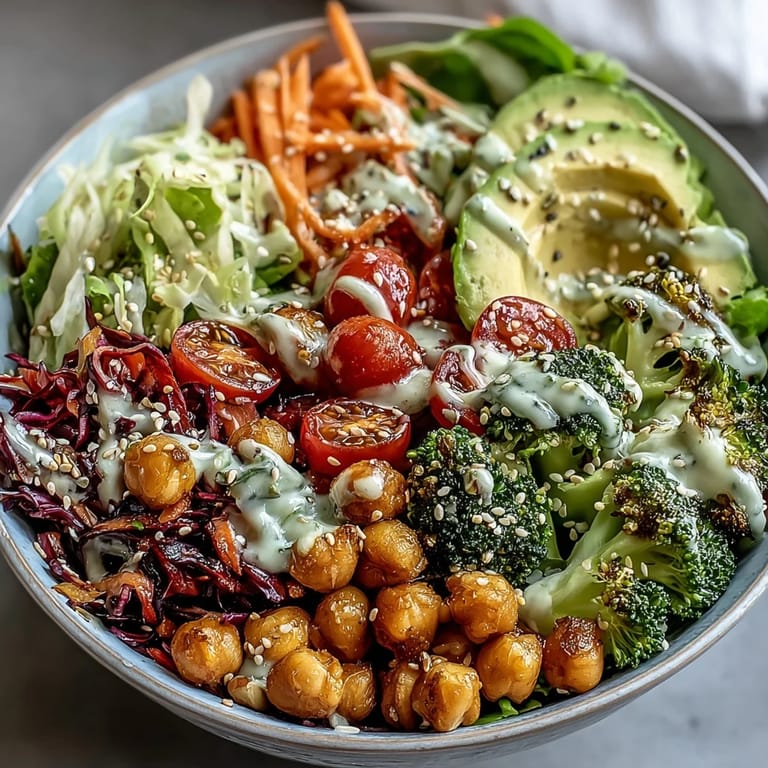
- Divide the warm grains among four bowls, then arrange everything else in sections around the edges like you're painting. The colors matter as much as the flavors here.
- Dress the bowls generously:
- Drizzle that sesame ginger dressing all over everything—don't be shy, this is where the magic lives. The warm grains will absorb some, the vegetables will glisten, and suddenly you have something worth eating.
- Finish with seeds, herbs, and onions:
- Scatter sesame seeds, cilantro or parsley, and sliced green onions on top right before serving so they stay crispy and bright.
 Pin It
 My partner grabbed one of these bowls straight from the fridge at midnight, no reheating, and said it was the best thing he'd eaten all week. That's when I knew this recipe had staying power—it works hot, it works cold, it works when you're in a rush or when you want to slow down and taste something real.
Why This Bowl Works
There's something about the combination of warm grains, crisp raw vegetables, and that punchy dressing that makes your mouth feel alive. The chickpeas give you actual substance without weighing you down, and the avocado adds creaminess without cream. Every element earns its spot on the plate.
Making It Your Own
This isn't a strict recipe the way a cake is—it's more of a template that invites customization. Last week I used whatever was in my vegetable drawer: snap peas, cucumber, roasted beets, even leftover roasted Brussels sprouts. The dressing tied everything together like it was meant to be. I've also swapped the chickpeas for crumbled tofu, grilled shrimp, and even leftover roasted chicken when I had it. The framework stays the same; the details are up to you.
Storage and Make-Ahead Ideas
You can prep components separately and assemble fresh when you're ready to eat, which is great for meal prepping without ending up with a sad, soggy bowl by Wednesday. Keep the dressing separate until the last minute, store the grains and vegetables in different containers, and only add the avocado right before eating.
- Cook grains up to three days ahead and store them in an airtight container.
- Chop vegetables the day before and keep them in sealed containers so they stay crisp.
- The dressing stays fresh in the fridge for a full week, which is a game-changer for busy mornings.
 Pin It
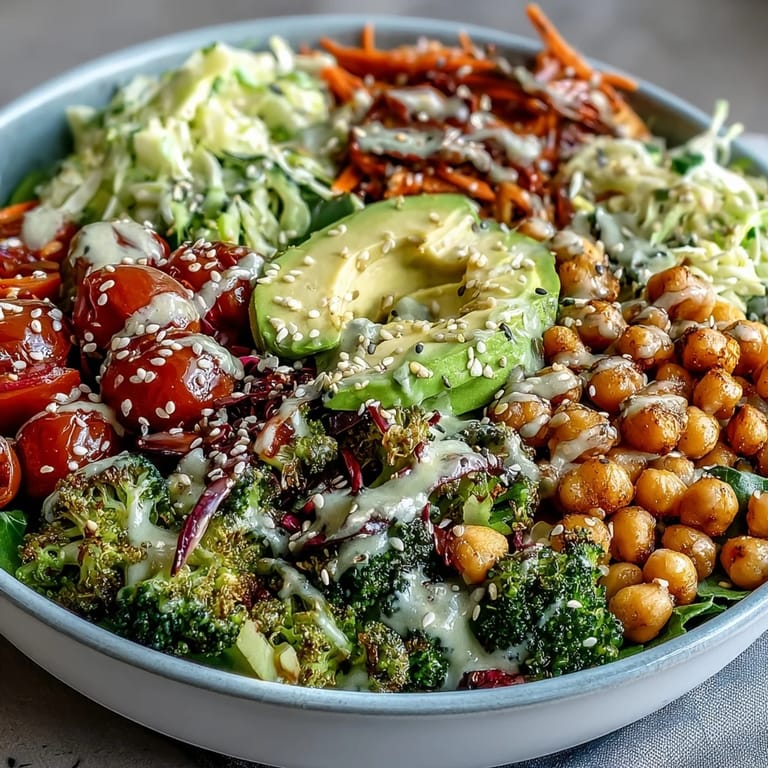
 This bowl has become my go-to when I want to feel like I'm taking care of myself without overthinking it. It's nourishing, colorful, and tastes like you actually know what you're doing in the kitchen.
Recipe FAQs
- → What grains work best in this bowl?
Brown rice or quinoa both provide a hearty base. Quinoa adds extra protein, while brown rice offers a chewier texture.
- → Can I steam the broccoli or use it raw?
Both options work well; steaming softens the broccoli while raw adds extra crunch to the bowl.
- → How do I make the sesame ginger dressing?
Whisk together toasted sesame oil, tamari or soy sauce, rice vinegar, maple syrup, grated ginger, garlic, and lime juice until smooth and flavorful.
- → Is this bowl suitable for gluten-free diets?
Yes, using tamari instead of soy sauce keeps this dish gluten-free.
- → Can I substitute the protein component?
Cooked chickpeas are used, but grilled tofu or tempeh can be added for extra protein variety.
- → What herbs garnish the bowl?
Fresh cilantro or parsley along with sliced green onions provide fresh herbal notes and garnish.