 Pin It
 The first time I made pistachio gelato, I wasn't planning to—I'd bought a bag of roasted pistachios at the market and found myself standing in the kitchen at dusk, suddenly convinced that turning them into something frozen and luxurious was exactly what the evening needed. That moment of quiet creativity, when you're just following an instinct rather than a recipe, somehow made the whole process feel less like cooking and more like solving a delicious puzzle. What emerged from my ice cream maker hours later was something so silky and deeply flavored that I've been chasing that same magic ever since.
I served this to friends on a warm summer evening, and watching their faces light up when they tasted that first spoonful—that moment when they closed their eyes because the flavor was so unexpected and rich—reminded me why homemade gelato matters. It's not just about the taste, though that's undeniably incredible; it's about the care you can taste in every bite, the way the pistachios whisper rather than shout.
Ingredients
- Shelled unsalted pistachios (120 g): The heart of this recipe—roasting them yourself unlocks a fragrance that pre-roasted nuts simply can't match, and unsalted keeps the focus on that pure, natural pistachio flavor.
- Granulated sugar (2 tbsp for pistachios, 120 g for gelato base): The small amount in the pistachio blend helps them transform into a silky paste, while the larger amount sweetens and stabilizes the custard.
- Whole milk (500 ml): The foundation of creaminess; don't skip the full-fat version or your gelato will taste thin and icy rather than luxurious.
- Heavy cream (200 ml): This is what separates gelato from ordinary ice cream—the richness comes from this careful balance, not from going overboard.
- Large egg yolks (4): They emulsify the mixture and create that signature silky texture that makes gelato melt on your tongue; they're non-negotiable.
- Pure vanilla extract (1 tsp): A whisper of vanilla that doesn't compete with the pistachios but somehow makes them taste even more like themselves.
- Fine sea salt (pinch): This tiny amount amplifies the pistachio flavor and prevents the sweetness from becoming cloying.
Tired of Takeout? 🥡
Get 10 meals you can make faster than delivery arrives. Seriously.
One email. No spam. Unsubscribe anytime.
Instructions
- Roast the pistachios until they smell incredible:
- Spread them on a baking tray and roast at 170°C for 8–10 minutes—you'll know they're ready when your kitchen smells nutty and warm. Let them cool just enough to handle, then rub them in a clean towel to slip off the loose papery skins; this step matters more than you'd think for the final color and flavor.
- Turn pistachios into a silky paste:
- In a food processor, blend the roasted pistachios with 2 tbsp sugar until they go from chunky to finely ground to a paste that's just beginning to glisten with their own oils. This takes patience—don't rush it, or you'll end up with grainy bits instead of silk.
- Heat your milk and cream gently:
- In a saucepan, warm the milk and cream until steam rises and it's just below boiling, but don't let it actually boil or you'll lose subtlety. Once it's hot enough, remove it from heat immediately.
- Create a pale, creamy egg mixture:
- Whisk the egg yolks with 120 g sugar and a pinch of salt in a large bowl until the mixture is pale, thick, and falls in ribbons from your whisk. This takes about 3–4 minutes of whisking, and it's worth doing by hand to feel when it's right.
- Temper the eggs slowly:
- Slowly pour the hot milk mixture into the egg yolks while whisking constantly—this is the moment where rushing causes scrambled eggs instead of custard. Once it's combined, return everything to the saucepan to cook gently.
- Cook until it coats the back of a spoon:
- Over low heat, stir constantly with a wooden spoon until the custard thickens enough to coat the back of the spoon and leave a clear trail when you run your finger across it. This happens around 77–80°C, and a thermometer takes the guesswork out—just don't let it boil.
- Fold in the pistachio magic:
- Remove from heat and stir in your pistachio paste and vanilla extract until completely smooth and uniform. The paste will swirl into the custard like liquid gold.
- Strain for silk:
- Pour the mixture through a fine-mesh sieve into a clean bowl to catch any small lumps or bits of cooked egg—this final step is what separates rough gelato from something that melts like velvet on your tongue.
- Chill thoroughly:
- Cover the bowl and refrigerate for at least 4 hours, though overnight is better. This resting time isn't just about temperature; it's about the flavors settling and deepening.
- Churn until thick and creamy:
- Follow your ice cream maker's instructions—typically this takes 20–30 minutes and the mixture will go from pourable to thick and creamy, almost like soft-serve. Transfer to a container and freeze for at least 2 hours before serving.
 Pin It
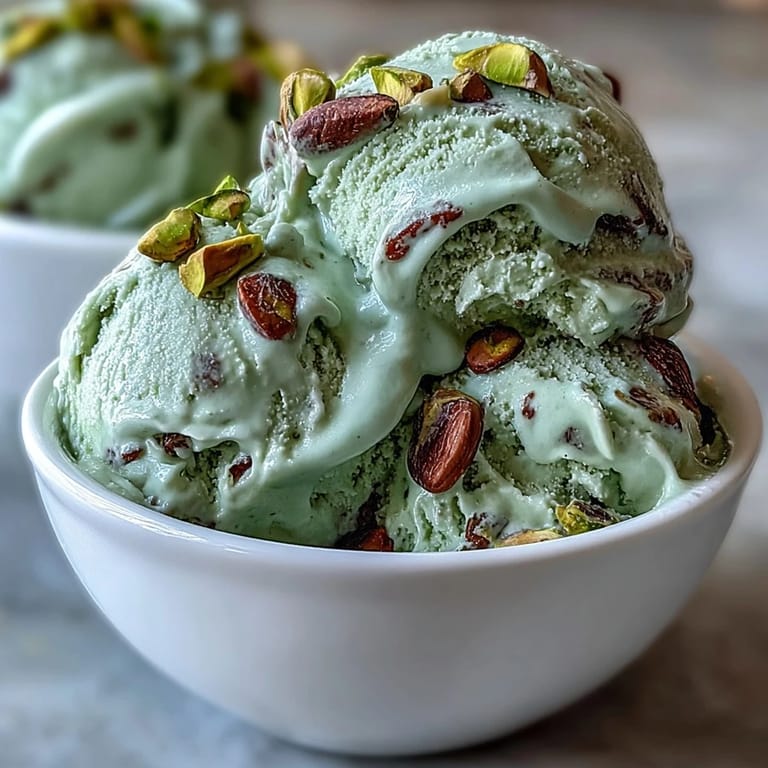
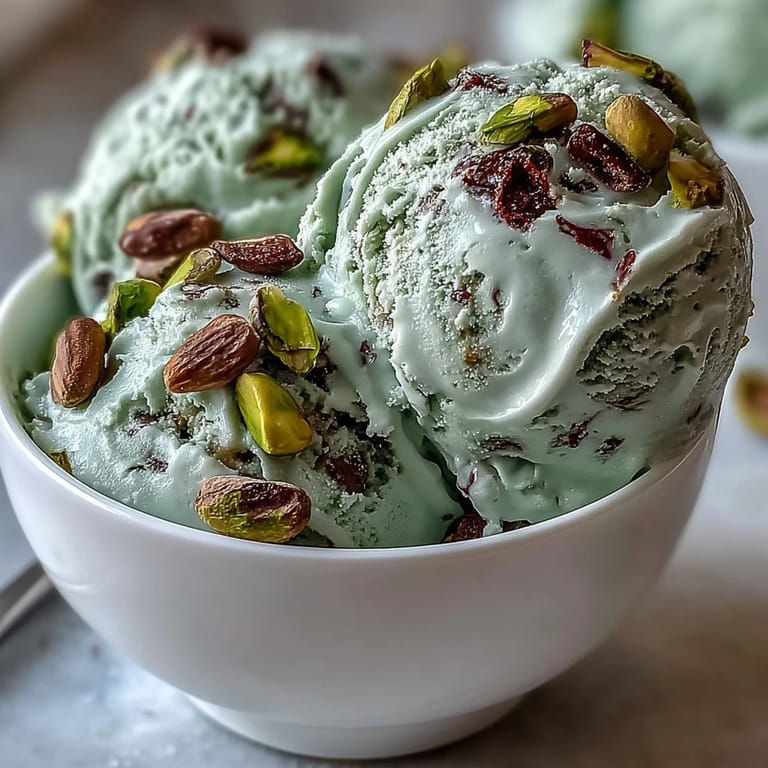
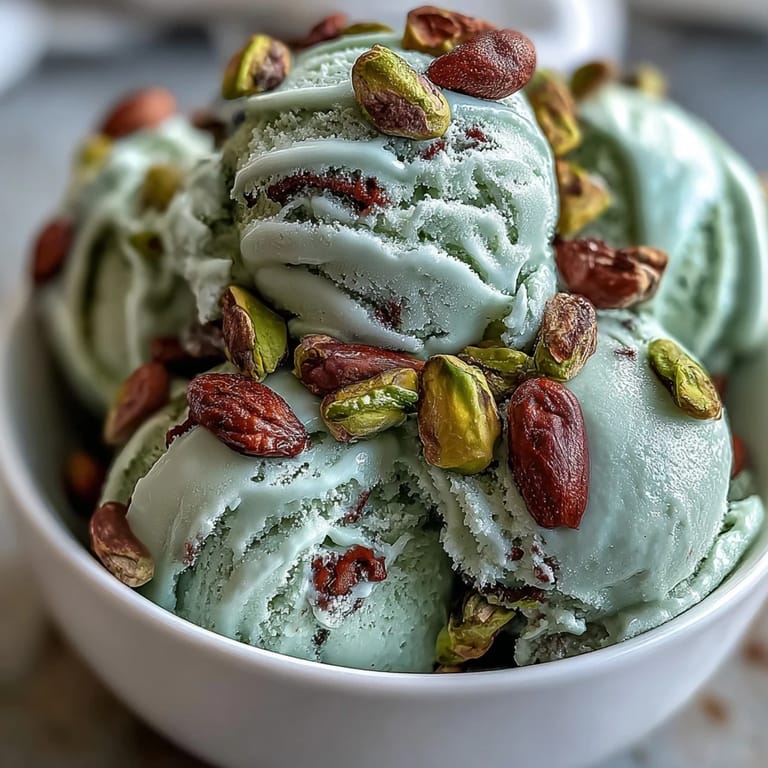
 There's a specific moment when making gelato where everything shifts—when you realize that this isn't complicated cooking, it's just following natural instincts and trusting the process. That moment came for me when I pulled the finished gelato from the freezer and saw that perfect pale green color, that sign of something handmade and genuine rather than artificially colored.
The Secret of Proper Chilling
I learned the hard way that rushing the chilling step doesn't save time—it actually costs you texture. When you skip the long refrigeration and go straight to churning, the mixture never reaches that perfect state where the flavors have melded and the base is cold enough to churn properly. Overnight chilling isn't just tradition; it's the difference between gelato that's silky and custard that's grainy.
Why Real Pistachios Matter
The color of store-bought pistachio gelato made me suspicious for years—that unnaturally bright green is always artificial dye, never the real thing. Real pistachio gelato is a subtle pale green, almost beige in some lights, and that honesty about its appearance is one reason the flavor hits so much harder. You taste authenticity in gelato because you've already accepted that it won't be a cartoon version of itself.
Without an Ice Cream Maker
I once made this in a shallow tray when I didn't have access to a machine, stirring vigorously every 30 minutes for about 3–4 hours, and the texture was surprisingly decent—not quite as silky as the machine version, but still utterly delicious. The trick is consistency with the stirring schedule and making sure you're really breaking up the ice crystals each time, not just giving the surface a lazy stir.
- Stir every 30 minutes without fail, reaching the edges and corners where ice crystals form first.
- Use a sturdy spatula or fork to break up frozen bits and incorporate them back into the creamy center.
- This method actually works beautifully if you're patient—some of my best batches have come from this old-fashioned approach.
 Pin It
 This gelato reminds me why making frozen desserts at home feels almost meditative—there's time built into the process to rest, to think, to anticipate. When you scoop that first spoonful and taste what patience and pistachio devotion can create, you'll understand why people spend entire afternoons on gelato.
Recipe FAQs
- → How are pistachios prepared for the gelato base?
Pistachios are roasted at 170°C until fragrant, then rubbed in a towel to remove loose skins before being ground into a paste with sugar.
- → What is the purpose of gently cooking the custard?
Slow heating thickens the mixture without curdling, ensuring a creamy, smooth texture that coats the back of a spoon.
- → Can the mixture be frozen without an ice cream maker?
Yes, freezing in a shallow tray and stirring every 30 minutes helps achieve a creamy consistency without specialized equipment.
- → Why add vanilla extract to the pistachio custard?
Vanilla enhances the flavor profile, balancing the nutty richness with aromatic sweetness.
- → How long should the mixture chill before churning?
At least four hours in the refrigerator, preferably overnight, to deepen the flavors and improve texture.
- → What garnishes complement the dessert best?
Chopped pistachios add crunch and highlight the nutty character of the dessert.