 Pin It
 Last winter, my friend Sarah showed up at my door with four tiny clay pots and a wild idea: instead of me cooking for everyone, what if we all cooked together at the table? I was skeptical at first, but watching people lean over their steaming bowls, chopsticks poised, calling out requests like "more mushrooms" and "is my shrimp done yet?"—something clicked. Mini hot pot bowls turned a dinner party into a conversation, a shared experience where the meal literally cooked itself between bites and stories.
I'll never forget my coworker Marcus's face when he realized he could cook raw shrimp straight in the broth and have it perfect in ninety seconds—he kept doing it over and over, each time declaring victory like he'd discovered fire. That's when I understood: this dish isn't really about the food, it's about giving people control and watching them get genuinely delighted by something they made themselves.
Ingredients
- Low-sodium chicken or vegetable broth (6 cups): Use chicken if you're including meat proteins, vegetable if going fully plant-based; low-sodium matters here because you'll be adding soy and miso, both salty partners.
- Soy sauce (2 tablespoons): This is your umami anchor; don't skip it or your broth tastes like hot water with delusions of flavor.
- Miso paste (1 tablespoon): The secret ingredient that makes people ask what that incredible depth of flavor is; white or red miso both work beautifully.
- Garlic cloves (2, sliced): Leave them whole so guests can fish them out if they want, or mince if you prefer an all-in approach.
- Fresh ginger (1-inch piece, sliced): Slicing instead of mincing keeps it visible and lets people gauge how much spice they're getting.
- Sesame oil (1 teaspoon): Just a whisper of this stuff transforms the entire broth into something restaurant-quality.
- Thinly sliced beef sirloin (150 g): Ask your butcher to slice it on the meat slicer; paper-thin beef cooks in a blink and feels luxurious on the tongue.
- Boneless chicken breast (150 g, thinly sliced): Partially freeze it for 30 minutes before slicing so your knife doesn't shred the meat.
- Firm tofu (150 g, cubed): Press it first between paper towels weighted down with cans, otherwise it absorbs broth like a sponge and tastes waterlogged.
- Large shrimp (8, peeled and deveined): Buy them frozen if fresh isn't available; frozen actually cook more evenly because they thaw as they cook.
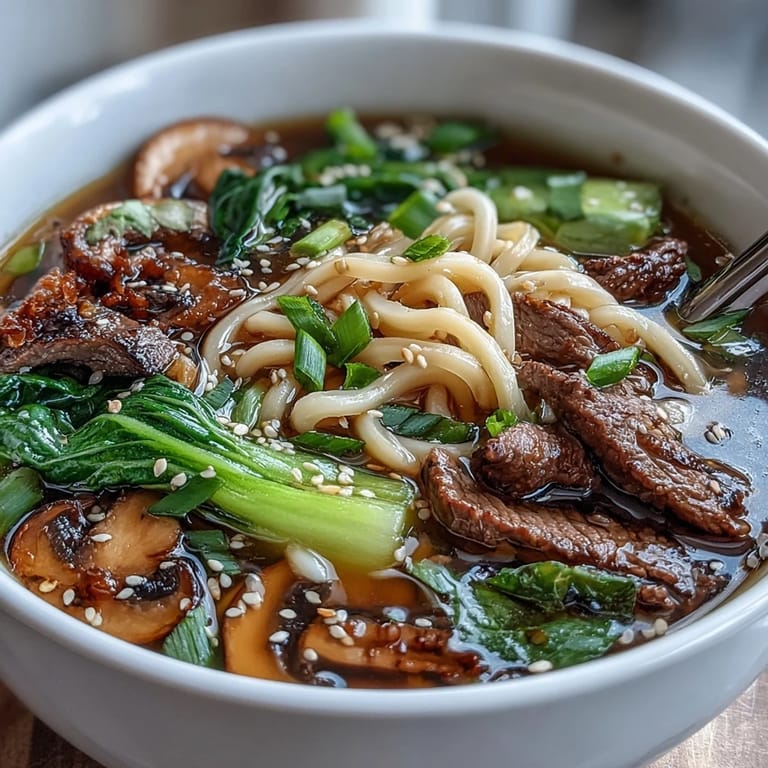
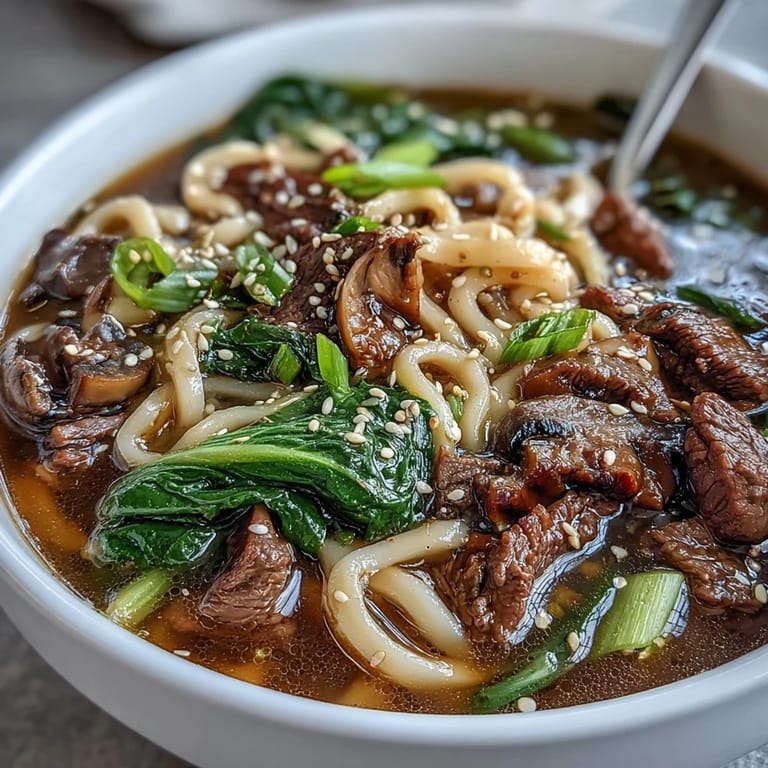
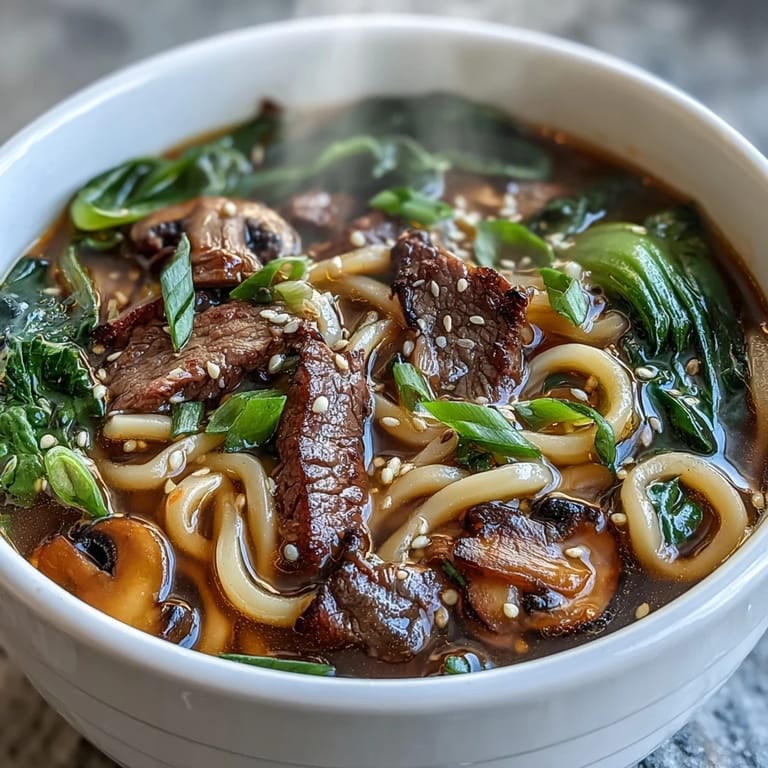
- Udon or rice noodles (200 g, cooked and drained): Cook them the morning of if you want, toss with a tiny bit of oil so they don't clump together by dinner.
- Baby bok choy (1 cup, halved): The tender leaves wilt in seconds, making this the vegetable that converts non-vegetable people.
- Shiitake mushrooms (1 cup, sliced): The umami in these mushrooms doubles down with the miso, creating a flavor that feels almost meaty.
- Napa cabbage (1 cup, chopped): It's mild and sweet when cooked briefly, the perfect canvas for the broth.
- Sliced carrots (1/2 cup): Thin coins work best since they need the full cooking time; they add a touch of natural sweetness.
- Corn kernels (1/2 cup): Fresh corn is ideal, but frozen works in a pinch and honestly tastes just as good here.
- Scallions (2, sliced): Split them into white and green parts; whites go into the broth early for flavor, greens scattered fresh at the end for brightness.
- Soy sauce for dipping: A straight bowl of it, though most people mix it with something else.
- Chili oil: This is the heat source; let people decide their own spice level.
- Fresh cilantro leaves: A handful scattered on top at the very end adds a brightness that cuts through the richness.
- Lime wedges: A squeeze of lime transforms everything, adding acidity that makes flavors pop.
- Toasted sesame seeds: Toast them yourself in a dry pan for thirty seconds and watch how they change from pale and boring to golden and nutty.
Tired of Takeout? 🥡
Get 10 meals you can make faster than delivery arrives. Seriously.
One email. No spam. Unsubscribe anytime.
Instructions
- Build the broth foundation:
- In a large pot, combine broth, soy sauce, miso paste, sliced garlic, sliced ginger, and sesame oil. Bring everything to a simmer over medium heat and let it bubble gently for 10 minutes—you're not trying to boil it angry, just letting those flavors marry. If you want a clean broth, strain out the solids; if you like texture and depth, leave them in.
- Prep your noodles:
- Divide cooked noodles evenly among four heatproof bowls or mini hot pots—if the noodles sit in the broth for too long before guests arrive, they'll get soggy, so time this right. A small amount in each bowl is better than overfilling.
- Arrange the proteins and vegetables:
- Set up a platter situation where each protein and vegetable lives in its own little section, almost like a charcuterie board but for hot pot. This makes it easier for people to grab what they want without accidentally mixing raw and cooked items.
- Pour and position:
- Ladle hot broth into each bowl until it comes about 2/3 of the way up, filling it enough to cook ingredients but not so much that it overflows when people add things. Place each bowl on a portable burner at the table and turn the heat to medium, keeping the broth at a gentle simmer the whole time.
- Let guests cook their own adventure:
- Here's where the magic happens—people add their chosen proteins and vegetables to their bowls and watch them cook. Beef and shrimp take about 1 to 2 minutes until they're just done, chicken needs 2 to 4 minutes to cook through, and tofu and veggies are ready whenever they look tender.
- Serve with all the sides:
- Put dipping sauces and garnishes in small bowls around the table so people can customize each bite. A squeeze of lime, a sprinkle of cilantro, a drizzle of chili oil—let them be the artists here.
 Pin It
 There was this moment during my last hot pot dinner when the conversation quieted down and all you could hear was the soft bubbling of broth and the clink of chopsticks against bowls, and I realized everyone at the table was completely present—not scrolling, not distracted, just focused on this small shared experience. That's when food becomes something more than sustenance.
Customization Is Your Superpower
The beauty of this dish is that it bends to whatever your guests need without requiring you to cook four separate meals. Got a vegetarian friend? They load up on tofu, mushrooms, and extra bok choy while everyone else adds beef. Someone avoiding gluten? Swap tamari for soy sauce and use rice noodles instead of wheat-based udon. The scaffolding stays the same, just the toppings change. I've done versions where half the table went plant-based and half went protein-heavy, and nobody felt like they were eating a compromise meal.
The Timing Game
One thing I learned the hard way is that hot pot is a slow food that feels fast because people are cooking and eating simultaneously. You'll have natural lulls in conversation as everyone's focused on their own bowl, then they'll look up and start talking again, then back down—it creates this rhythm that's honestly kind of meditative. The first time I made this, I was worried people would finish in five minutes and then we'd all sit there awkwardly, but it actually stretches across an hour or more without feeling rushed.
Setting the Scene for Success
The physical setup matters more than you'd think; invest in actual heatproof bowls or those little clay hot pot vessels because they look beautiful and make the whole experience feel intentional rather than like you're serving people soup in random dishes. Put the portable burners where everyone can see and reach everything, and arrange your ingredient platters so nobody has to reach across someone else's burner (safety first, always). Have napkins everywhere because broth splashes happen, and honestly, chopsticks flying across the table while people are laughing is all part of the charm.
- Crank your HVAC or open windows before people arrive because the steam will make your whole house smell like an Asian restaurant, which sounds good until it clings to your curtains for a week.
- Have tongs and chopsticks in a cup at the table so people can grab them without asking; makes the whole thing feel more self-serve and less like you're hovering.
- If someone's never done hot pot before, walk them through the cooking times once so they're not stressed about undercooking chicken or overcooking shrimp.
 Pin It
 This dish transformed how I think about hospitality—instead of proving I can cook well, I'm creating space for people to gather and feel taken care of. That's something worth doing again and again.
Recipe FAQs
- → What proteins work best for this dish?
Thinly sliced beef, chicken breast, firm tofu, and shrimp are ideal due to their quick cooking times and texture.
- → Can I make this dish vegetarian or gluten-free?
Yes, use vegetable broth, tofu, and gluten-free tamari along with rice noodles to accommodate these preferences.
- → How long should I simmer the broth for optimal flavor?
Simmer the broth for about 10 minutes to infuse flavors from garlic, ginger, miso, and sesame oil before straining.
- → What vegetables complement this hot pot style best?
Baby bok choy, shiitake mushrooms, napa cabbage, carrots, corn kernels, and scallions provide great texture and flavor balance.
- → How do I serve and enjoy this interactive meal?
Place noodles in heatproof bowls, pour hot broth over, and let guests cook their choice of proteins and vegetables at the table with dipping sauces on the side.