 Pin It
 The first time I encountered hojicha pastry cream was at a tiny Japanese-French patisserie in Kyoto, where the pastry chef explained that roasting green tea leaves transforms everything. The smoky, caramel notes seemed like they were made for custard. I went home that same evening and steeped hojicha in milk, watching the liquid turn this gorgeous amber color. Something about that toasted tea flavor cutting through rich cream feels absolutely magical.
Last winter I made a batch for my sister's birthday, filling éclairs instead of the usual chocolate cream. Everyone kept asking what made them taste so different and homey. Watching people close their eyes and try to place that familiar yet exotic flavor became my favorite part of serving dessert. Now it is the only filling requested for family gatherings.
Ingredients
- 2 cups whole milk: Whole milk creates that luxurious mouthfeel you want in pastry cream, anything less feels disappointingly thin
- 3 tablespoons unsalted butter: Room temperature butter whisked in at the end adds silkiness and rounds out all the sharp edges
- 3 tablespoons hojicha loose leaf tea: This roasted green tea is what makes everything special, do not substitute with regular green tea
- 4 large egg yolks: Save those whites for meringues or macarons later
- 1/2 cup granulated sugar: This amount balances the tea's natural bitterness without making it cloyingly sweet
- 3 tablespoons cornstarch: The thickening magic that transforms warm milk into velvety pudding
- 1/2 teaspoon vanilla extract: Pure vanilla plays so nicely with the tea's earthy notes
- Pinch of salt: Even a tiny pinch makes all the other flavors pop forward
Tired of Takeout? 🥡
Get 10 meals you can make faster than delivery arrives. Seriously.
One email. No spam. Unsubscribe anytime.
Instructions
- Steep the tea:
- Heat milk in a medium saucepan until steam starts rising, then remove from heat and stir in hojicha leaves. Cover and let it steep for 10 minutes. The longer steep makes all the difference in extracting those toasted, nutty flavors.
- Strain and prepare:
- Pour the milk through a fine mesh sieve, pressing firmly on the tea leaves to squeeze out every drop of flavor. Discard the leaves. In a separate bowl, whisk together yolks, sugar, cornstarch, and salt until the mixture looks pale and smooth.
- Temper the eggs:
- Slowly drizzle about one cup of the warm hojicha milk into the yolk mixture while whisking furiously. This prevents scrambled eggs in your cream. Keep whisking until everything feels combined and slightly warmed.
- Cook until thickened:
- Pour everything back into the saucepan and cook over medium heat, whisking without stopping. The cream will suddenly thicken and bubble after 2 to 3 minutes. Let it bubble for 30 seconds to cook out the starch taste.
- Finish and chill:
- Remove from heat immediately and whisk in butter and vanilla until the cream looks glossy and smooth. Press plastic wrap directly onto the surface so no skin forms. Refrigerate for at least 1 hour before using.
 Pin It
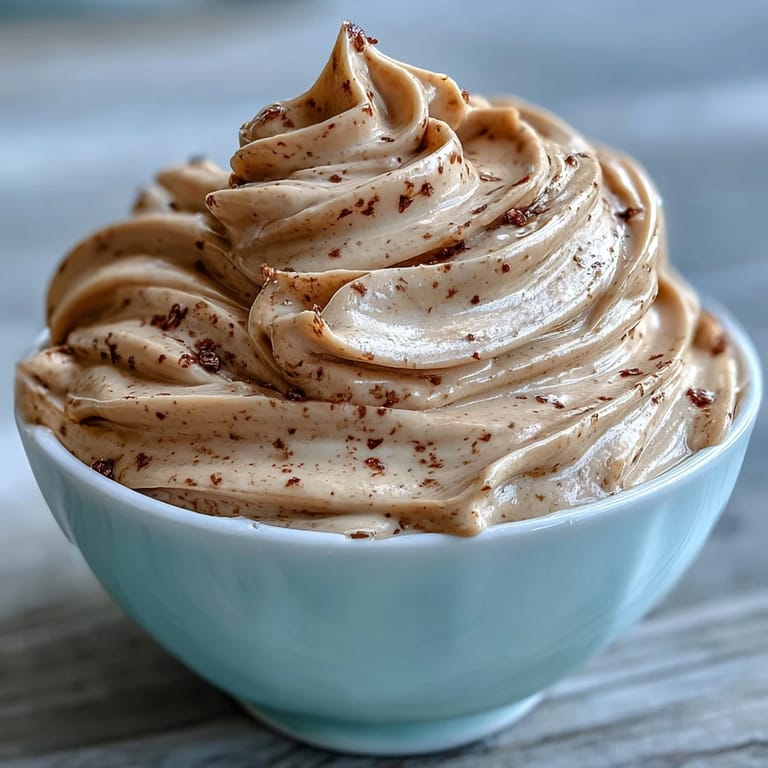
 My favorite way to serve this is simply spooned into small glasses with a dusting of extra hojicha powder on top. No pastry required, just pure unadulterated comfort. Sometimes the simplest presentations let beautiful flavors shine brightest.
Making It Lighter
If you want something less dense, fold whipped heavy cream into the chilled pastry cream just before filling your pastries. The cream literally doubles in volume and becomes this impossibly light mousse-like filling. I discovered this trick when I accidentally made too much cream and needed to stretch it for more cream puffs.
Using Hojicha Powder
Loose leaf tea works beautifully but powder eliminates the straining step entirely. Just whisk 2 teaspoons of hojicha powder directly into the hot milk and proceed. The color comes out darker and the tea flavor feels more immediate. Both methods create something wonderful, just slightly different expressions of the same idea.
Perfect Pairings
This cream understands itself when paired with flavors that complement rather than compete. Matcha choux pastry creates this beautiful tea layered experience that feels so intentional. White chocolate shavings on top add sweetness without overpowering the subtle smokiness.
- Try folding in some white chocolate chunks for extra richness
- A pinch of cinnamon in the pastry dough echoes hojicha's roasted notes
- Black sesame seeds sprinkled on top look gorgeous and taste earthy
 Pin It
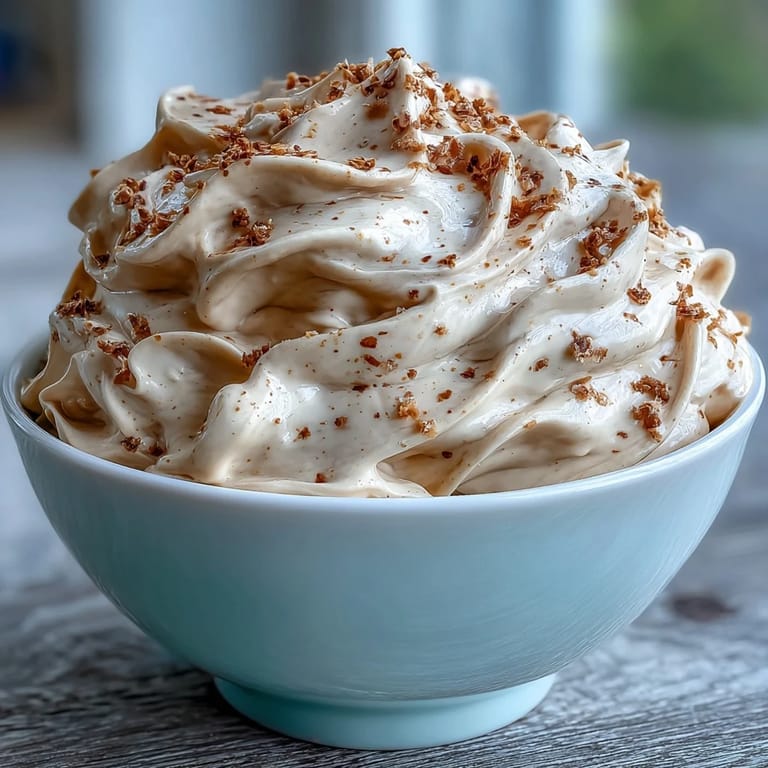
 There is something so comforting about the way hojicha transforms classic pastry cream into something with real character and depth.
Recipe FAQs
- → What makes hojicha different from other Japanese teas?
Hojicha is roasted green tea leaves that develop a deep, toasty flavor with notes of caramel and slight smokiness. Unlike matcha or sencha, the roasting process lowers caffeine content while creating a reddish-brown infusion that pairs exceptionally well with dairy and desserts.
- → Can I use hojicha powder instead of loose leaves?
Yes, substitute two teaspoons of hojicha powder for the loose leaf tea. Whisk the powder directly into the hot milk without straining. This method intensifies both flavor and color, though the texture may be slightly more opaque.
- → Why did my pastry cream turn lumpy?
Lumps typically form from overheating or insufficient whisking during the thickening stage. Ensure constant whisking once the mixture returns to the heat, and remove immediately when bubbles appear. If lumps develop, press through a fine mesh sieve while warm.
- → How long does this cream keep in the refrigerator?
Stored in an airtight container with plastic wrap pressed directly onto the surface, hojicha pastry cream keeps for up to three days. The flavors may deepen over time. Whisk briefly before using to restore smoothness.
- → Can I freeze hojicha pastry cream?
Freezing is not recommended as the custard texture can become grainy and separate upon thawing. The cream is best prepared fresh or refrigerated for short-term storage. For advance prep, make the hojicha-infused milk up to two days ahead and finish the custard when needed.
- → What pastries work best with this filling?
This cream excels in classic choux preparations like cream puffs and éclairs, where the nutty tea flavor complements the buttery pastry. It also layers beautifully in sponge cakes, fills tart shells, or tops Japanese-inspired soufflé pancakes.