 Pin It
 The first time I tasted hojicha mousse was at a tiny dessert café in Kyoto, where the owner served it in mismatched tea cups with a knowing smile. Its earthy, roasted flavor caught me completely off guard, nothing like the matcha I had expected. I spent the next year trying to recreate that particular lightness, which turned out to be the absence of heavy cream. Now this is the dessert I make when I want something sophisticated but not heavy, when friends are over and the conversation should linger longer than the meal.
Last winter, during a particularly brutal cold snap, I made this for a dinner party when my heating was acting up. Something about the warm, toasted notes of hojicha made the whole evening feel comforting despite the weather. My friends asked for thirds, and we ended up sitting around the table for hours, just talking and scraping the last bits from our glasses. Sometimes food does more than feed you, it holds space for the good moments.
Ingredients
- 2 tablespoons hojicha tea leaves: The deeper, more robust cousin of green tea with these incredible caramel undertones that develop when the leaves are roasted
- 200 ml whole milk: Whole milk gives the best texture here, though I have made it work with oat milk in a pinch
- 3 large eggs, separated: Room temperature eggs will incorporate more easily into your mixture, so take them out about 30 minutes before you start
- 60 g granulated sugar: Divided evenly between yolks and whites, this provides just enough sweetness to let the tea shine without masking it
- 1 teaspoon vanilla extract: Pure vanilla makes all the difference here, connecting the milky base with those roasted notes
- 1 tablespoon cornstarch: This tiny amount helps stabilize everything without making the texture too heavy or pudding like
- 2 teaspoons powdered gelatin: The secret to that elegant, set but still airy consistency that holds its shape beautifully
- 2 tablespoons cold water: Cold water is crucial here, warm water will start dissolving the gelatin before it blooms properly
Tired of Takeout? 🥡
Get 10 meals you can make faster than delivery arrives. Seriously.
One email. No spam. Unsubscribe anytime.
Instructions
- Steep the hojicha milk:
- Gently warm your milk in a small saucepan until you see steam rising but it is not boiling. Stir in the hojicha leaves, cover with a lid, and let it steep for a full 10 minutes to extract all those roasted flavors. Strain through a fine mesh sieve and set it aside to cool slightly.
- Bloom the gelatin:
- Sprinkle your gelatin evenly over cold water in a small bowl and let it sit for 5 minutes. It will absorb the water and turn into a soft, jelly like consistency, which means it is ready to dissolve into your hot mixture later.
- Make the base:
- In a heatproof bowl, whisk together your egg yolks, half the sugar, and cornstarch until the mixture turns pale and slightly thickened. Slowly pour in the warm hojicha milk while whisking constantly to prevent scrambling the eggs.
- Cook the custard:
- Set your bowl over a pot of simmering water, making sure the bottom does not touch the water. Whisk continuously for 3 to 5 minutes until the mixture thickens enough to coat the back of a spoon. Remove from heat immediately.
- Add gelatin and vanilla:
- Stir in your bloomed gelatin while the mixture is still hot, ensuring it dissolves completely. Mix in the vanilla extract and let the base cool to room temperature, giving it an occasional stir to prevent a skin from forming.
- Whip the egg whites:
- In a completely clean bowl, beat your egg whites until soft peaks form. Gradually add the remaining sugar and continue whipping until glossy, stiff peaks form, which means the whites stand up straight when you lift the whisk.
- Fold everything together:
- Add one third of your whipped whites to the hojicha base and fold gently to lighten it. Gently fold in the remaining whites in two more additions, being careful not to deflate all that air you just whipped in.
- Chill and set:
- Spoon the mousse into your serving glasses or ramekins, tapping them gently on the counter to release any air bubbles. Refrigerate for at least 2 hours until completely set.
- Garnish and serve:
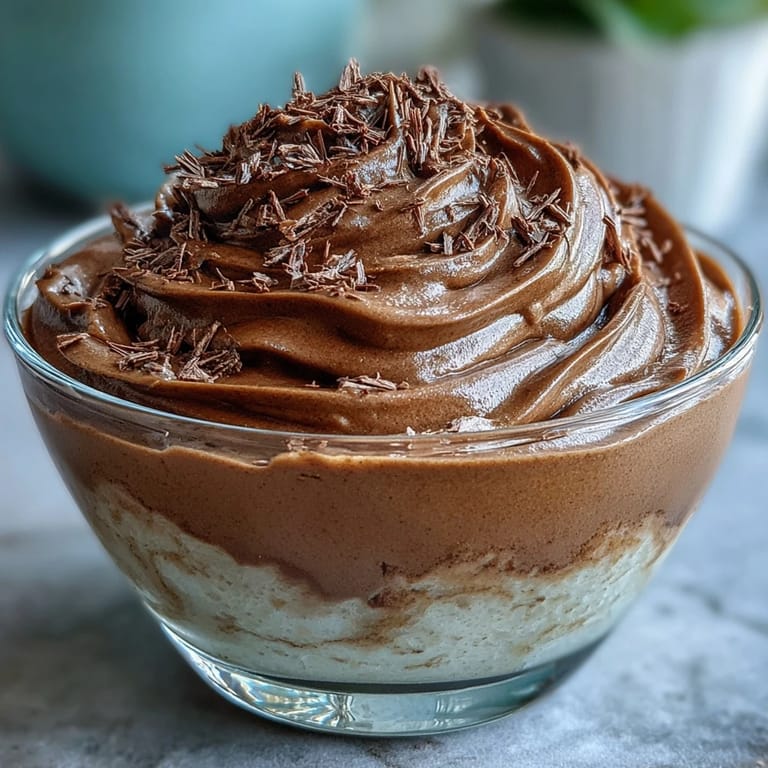
- If you are feeling fancy, top with toasted hojicha leaves or some cocoa nibs right before serving for a little crunch contrast.
 Pin It
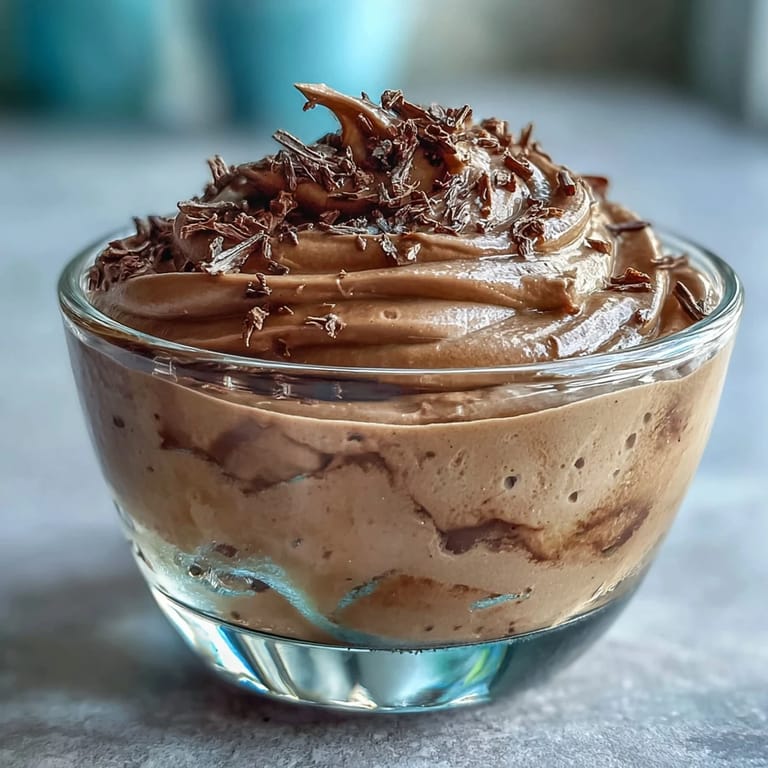
 This mousse has become my go to when I need to bring something to dinner parties, because it travels well and always elicits that quiet moment when everyone takes their first bite and just smiles. There is something about the interplay of flavors, the way the roasted tea hits you first then settles into something gentle and milky, that feels like a small revelation every time.
Making It Your Own
After making this recipe more times than I can count, I have found that the quality of your hojicha matters more than anything else. Japanese tea shops sell different roasting levels, and the medium roast gives the most balanced flavor, neither too bitter nor too subtle. I once used a very dark roast and the mousse ended up tasting almost like coffee, which was not bad but just not what I was going for.
Timing Is Everything
The trickiest part of this recipe is getting the temperature right when combining the hot custard base with the gelatin and then folding in the egg whites. If the base is too hot, it will collapse your whites immediately. I have learned to let the base cool until it feels barely warm to the touch, like a pleasant cup of tea you could hold comfortably.
Serving Suggestions
While this mousse is absolutely perfect on its own, I have discovered some pairings that take it to another level. A handful of fresh raspberries on the side adds this bright acidity that cuts through the richness. During summer, I serve it with a scattering of sliced strawberries and a tiny drizzle of cream.
- Clear glass serving vessels show off that beautiful caramel color
- Make individual portions rather than one large dish for a more elegant presentation
- Chill your serving glasses for 30 minutes before spooning in the mousse for extra stability
 Pin It
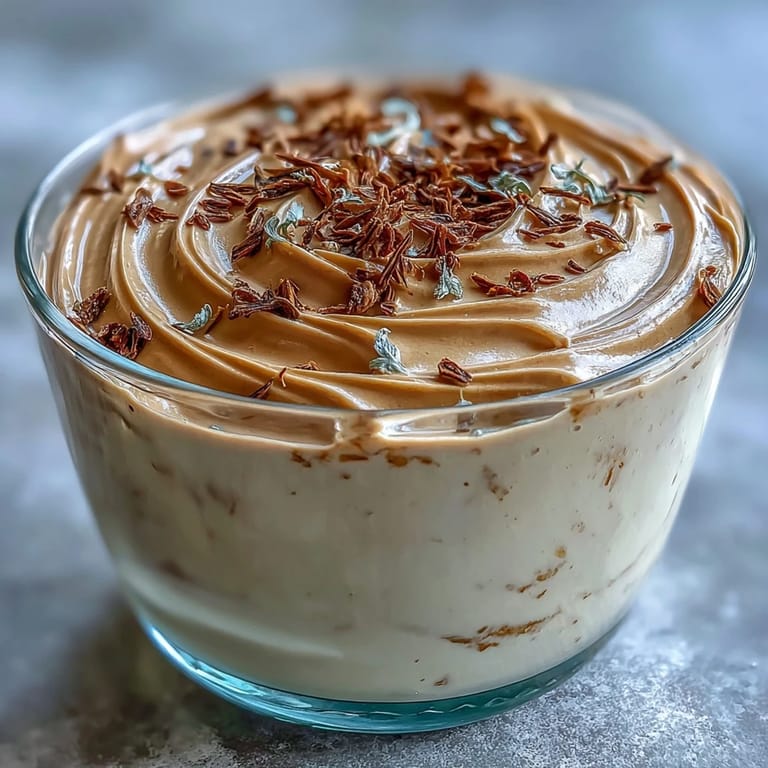
 There is a quiet confidence in serving a dessert that tastes this sophisticated but comes together with such simple ingredients and techniques. It is the kind of recipe that reminds you why you started cooking in the first place.
Recipe FAQs
- → What does hojicha taste like?
Hojicha offers distinctive roasted, nutty notes with caramel undertones. Unlike fresh green teas, the roasting process creates a mellow, earthy flavor with low caffeine and subtle sweetness that pairs beautifully with creamy desserts.
- → Can I make this mousse ahead of time?
Absolutely. This mousse actually benefits from chilling time and can be made up to 24 hours in advance. Cover the serving glasses with plastic wrap and store in the refrigerator until ready to garnish and serve.
- → What can I use instead of gelatin?
Agar-agar powder works as a vegetarian alternative, though the texture will be slightly firmer. Use about 1 teaspoon agar-agar powder dissolved in the hot milk mixture instead of gelatin. Note that the setting time may vary.
- → Why separate the eggs?
Separating eggs allows the yolks to create a rich, stable custard base while the whipped whites provide the signature airy texture. This French technique creates volume without incorporating heavy cream, resulting in a lighter, more delicate mousse.
- → Can I use other tea varieties?
While hojicha's roasted flavor is ideal, you can substitute with matcha for a vibrant green version, Earl Grey for bergamot notes, or jasmine tea for floral undertones. Adjust steeping time accordingly—delicate teas need less time while robust black teas may need more.
- → How do I know when the custard is thick enough?
The custard is ready when it coats the back of a wooden spoon and leaves a clear trail when you run your finger through it. This typically takes 3–5 minutes of constant whisking over the bain-marie. Don't rush this step—proper thickening ensures the mousse sets correctly.