 Pin It
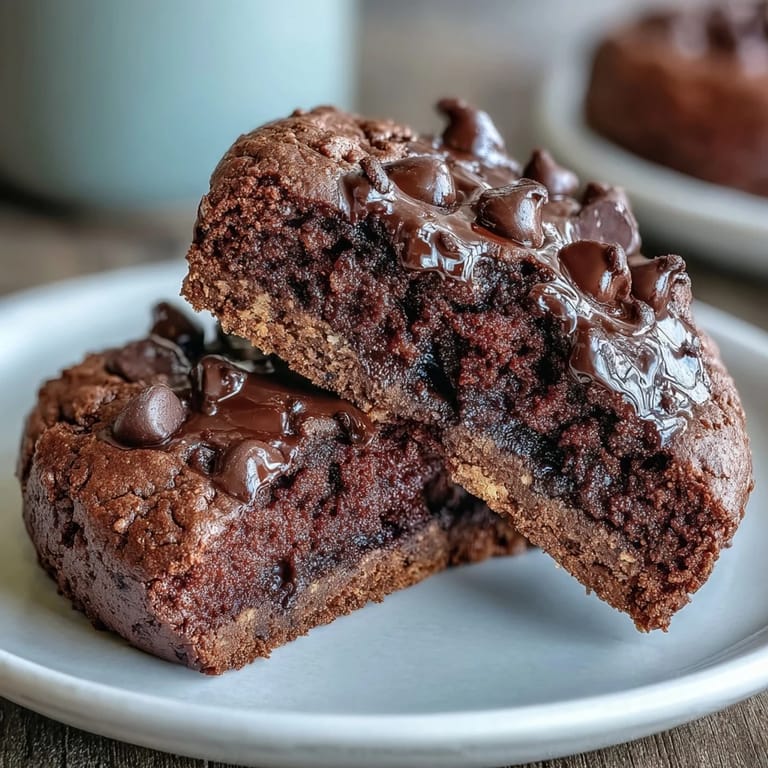
 My gym buddy swore by protein cookies, but every version I tried tasted like cardboard wrapped in chocolate. Then one afternoon, I blended cottage cheese on a whim—something about its creamy texture seemed right—and suddenly had this fudgy dough that actually felt indulgent. Baking that first batch, the kitchen filled with cocoa and caramel sweetness, and when I bit into one warm from the oven, it clicked: this wasn't a compromise, it was the real thing.
I brought a batch to my office and watched someone take three before asking what was in them—their shock at the cottage cheese was worth every second of prep time. The surprise on people's faces when they realize something this good for them actually tastes good never gets old.
Ingredients
- Oat flour: The foundation that keeps these cookies tender without gluten heaviness; if you can't find it, grind rolled oats in a food processor until fine.
- Unsweetened cocoa powder: The real star here—invest in decent quality because it's what makes these taste authentic and rich.
- Chocolate or vanilla protein powder: One scoop is enough to boost protein without making the batter taste grainy or chalky.
- Baking soda and salt: Non-negotiable for structure and to balance the sweetness so nothing tastes one-dimensional.
- Low-fat cottage cheese: Blended smooth, it adds moisture and protein while staying invisible flavor-wise; the fat content actually matters for texture.
- Maple syrup or honey: Both work beautifully, though maple adds a subtle earthiness that complements chocolate better.
- Egg: Acts as your binder and helps these cookies hold together without becoming dense.
- Vanilla extract and melted coconut oil: Vanilla brightens the chocolate notes; the oil keeps everything tender instead of dry.
- Dark chocolate chips: Use ones you actually enjoy eating, not sad budget chips that taste waxy.
Tired of Takeout? 🥡
Get 10 meals you can make faster than delivery arrives. Seriously.
One email. No spam. Unsubscribe anytime.
Instructions
- Warm up your oven and prepare your stage:
- Set the oven to 350°F and line a baking sheet with parchment paper—this prevents sticking and makes cleanup actually pleasant.
- Combine the dry foundations:
- In a medium bowl, whisk together oat flour, cocoa powder, protein powder, baking soda, and salt until everything looks evenly distributed with no clumpy cocoa pockets. You're creating the structure that'll hold everything together.
- Transform cottage cheese into silky magic:
- Blend the cottage cheese in a food processor or blender until completely smooth—no grainy texture allowed. This is the secret that keeps the cookies fudgy rather than cakey.
- Build the wet mixture:
- With the blender running, pour in maple syrup, add the egg, vanilla extract, and melted coconut oil, blending just long enough for everything to combine. Stop before it becomes overworked; 15 seconds is plenty.
- Marry wet and dry together:
- Pour the wet mixture into the dry ingredients and gently stir until just combined—a few dry streaks are fine because overmixing leads to tough cookies. You want tender and fudgy, not sturdy.
- Fold in the chocolate:
- Add dark chocolate chips and fold them through carefully, letting them distribute throughout without crushing them into dust.
- Shape and top your cookies:
- Drop heaping tablespoon-sized portions onto the parchment, spacing them about two inches apart, then press a few extra chocolate chips on top of each if you want that bakery look. It's optional but worth it.
- Bake until the edges say stop:
- Bake for 10 to 12 minutes—you want the edges firm and slightly darkened while the centers still jiggle just slightly when the pan moves. They continue cooking as they cool, so don't overbake or they'll turn dry.
- Cool with patience:
- Let them sit on the hot baking sheet for five minutes to firm up, then move them to a wire rack to cool completely. This waiting period is worth it for the perfect texture.
 Pin It
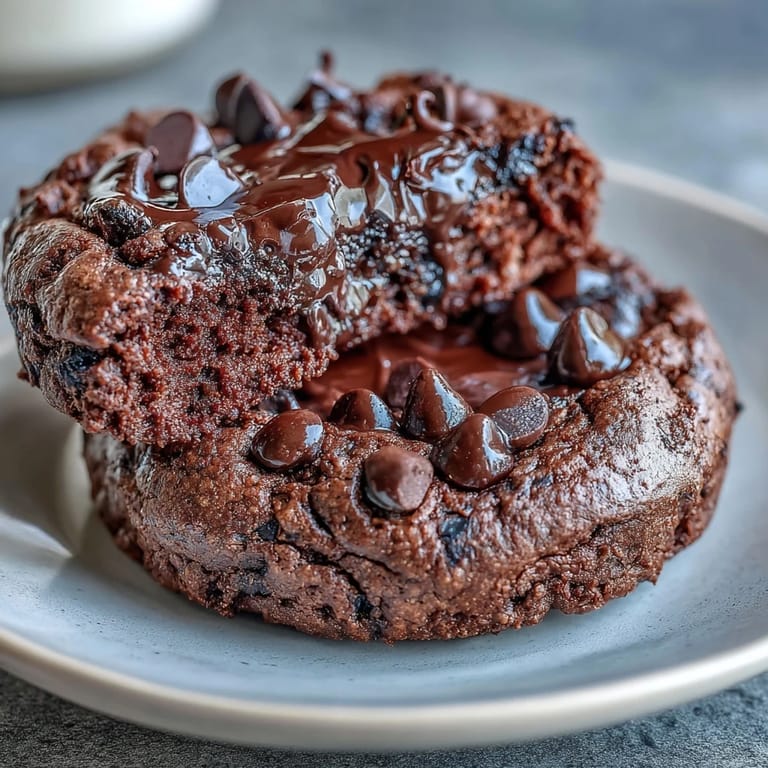
 My roommate came home as a batch cooled on the counter and grabbed one without asking—then immediately thanked me because she'd been stress-eating plain protein bars for weeks. There's something special about food that nourishes you and actually makes you happy to eat it.
Storing and Keeping Them Fresh
These cookies last about five days in an airtight container in the refrigerator, though they're so good they rarely make it that long. I've kept them in the freezer for weeks and they thaw at room temperature in about 20 minutes if you want a stash ready whenever cravings hit.
Flavor Variations That Actually Work
The base recipe is flexible enough to play with once you've made it once. Add espresso powder to deepen the chocolate, use almond butter instead of some of the oil for richness, or swap vanilla for almond extract if you want something unexpected.
Why This Approach Beats Typical Protein Cookies
Most protein cookies rely on sweeteners and artificial ingredients that taste fine for about two bites then turn metallic on your tongue. This version uses real ingredients your body recognizes, cottage cheese for genuine protein and moisture, and just enough chocolate to make eating healthy feel like a choice rather than a punishment. Every ingredient serves a purpose instead of masking what came before it.
- The cottage cheese hides brilliantly behind cocoa and chocolate, adding creaminess your body actually needs.
- You get six grams of protein per cookie without any chalky, powdery aftertaste lingering for hours.
- Make a batch on Sunday and you'll have a snack that satisfies both hunger and chocolate cravings through the week.
 Pin It
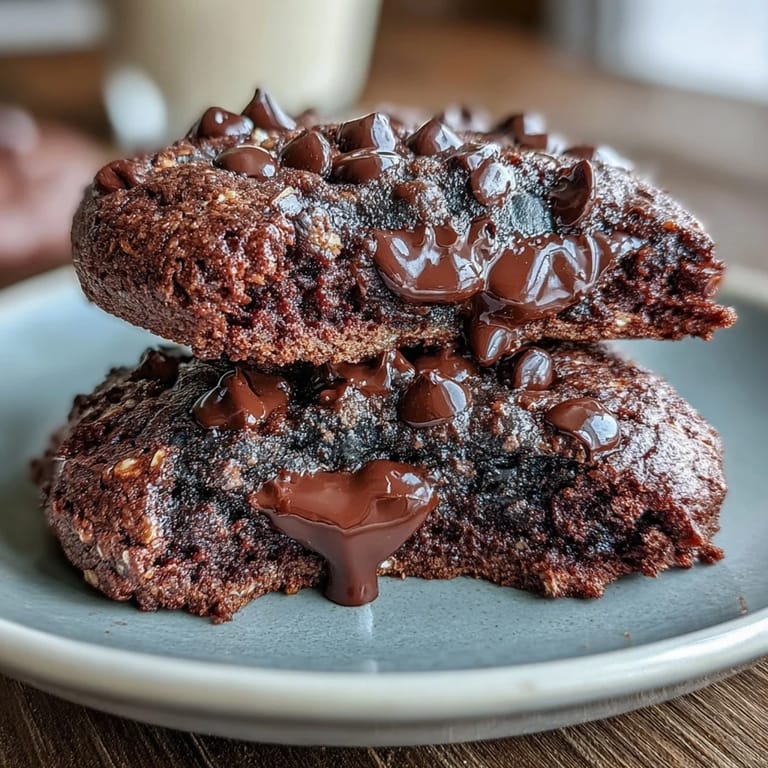
 These cookies proved that healthy eating doesn't mean sacrificing taste—just choosing ingredients that actually work together. Once you understand how cottage cheese transforms into something fudgy and indulgent, you'll find yourself putting it in everything.
Recipe FAQs
- → How do I ensure the cookies stay soft after baking?
To keep the cookies soft, avoid overbaking. Remove them when edges are set but centers remain slightly soft. Cooling on the baking sheet helps retain moisture.
- → Can I substitute oat flour for a gluten-free option?
Yes, using certified gluten-free oat flour or almond flour works well for gluten-free needs without compromising texture.
- → What role does cottage cheese play in the dough?
Cottage cheese adds moisture, protein, and a creamy texture, improving the cookie's softness and nutritional content.
- → Is it possible to use different types of sweeteners?
Maple syrup and honey are suggested, but sugar-free alternatives can be used for a lower sugar profile without affecting the overall flavor much.
- → How should leftover cookies be stored?
Store cookies in an airtight container in the refrigerator for up to five days to maintain freshness and texture.
- → Can vanilla protein powder be swapped for chocolate flavor?
Yes, either chocolate or vanilla protein powder can be used to complement the chocolate elements, depending on desired taste intensity.