 Pin It
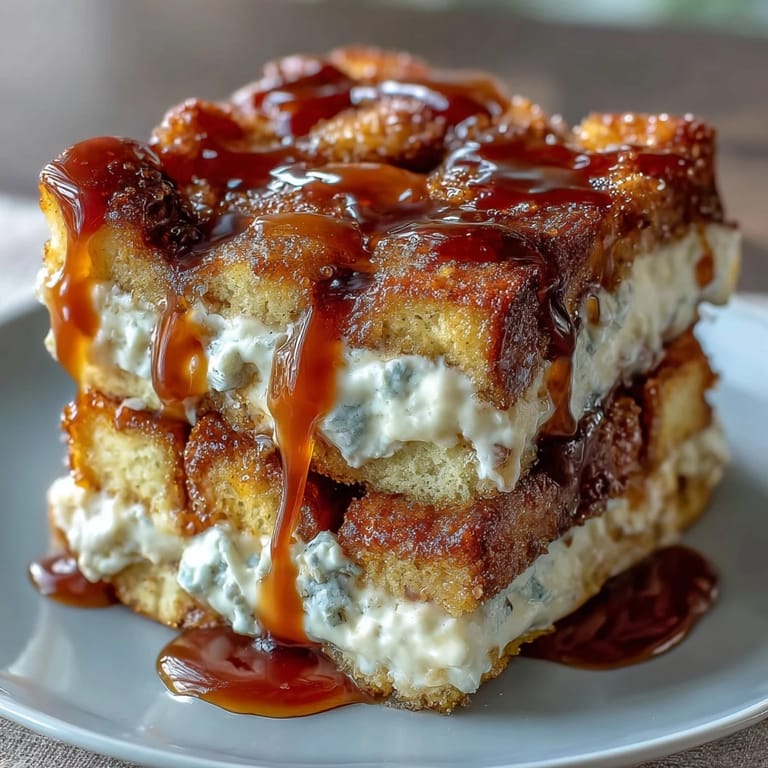
 There's something almost magical about assembling a casserole the night before, knowing that while you sleep, the bread is quietly soaking up all that custardy goodness. I discovered this particular combination while experimenting with leftover brioche and cream cheese one Sunday afternoon, and what started as a way to use up ingredients became the dish I now make whenever I want to impress without the morning stress. The caramel pooling at the bottom, the pockets of cream cheese melting through the layers, the way it comes together golden and puffed from the oven—it all felt too good to be true, but it works every single time.
My sister came to visit unexpectedly one autumn weekend, and I pulled this casserole from the fridge without a second thought. Watching her face when she took that first bite—the way her fork cut through the golden top and hit that layer of caramel underneath—that's when I knew this recipe had staying power. She asked for the recipe before dessert even finished, which tells you everything you need to know.
Ingredients
- 1 loaf (about 500 g) brioche or challah bread, cut into 1-inch cubes: Brioche's subtle sweetness and tender crumb make it absorb the custard without falling apart, but day-old bread works even better than fresh because it's slightly drier and soaks up moisture more readily.
- 225 g (8 oz) cream cheese, softened: This is your secret weapon for richness and tangy depth—let it sit on the counter while you prep everything else so it spreads smoothly and creates those wonderful pockets throughout.
- 6 large eggs: These bind everything together and create that custardy texture that makes this feel more like breakfast and less like eating cake.
- 360 ml (1½ cups) whole milk: Whole milk gives you better body and richness than low-fat versions, but use what you have on hand.
- 120 ml (½ cup) heavy cream: This is what pushes the flavor over the edge into luxurious territory—it's the difference between good and unforgettable.
- 120 g (½ cup) granulated sugar: Sweetens the custard layer without overwhelming the caramel that's already doing heavy lifting below.
- 2 tsp pure vanilla extract: Always pure, never imitation—it makes a noticeable difference in the final flavor.
- ½ tsp ground cinnamon: A gentle warming spice that plays nicely with the caramel and cream cheese without shouting.
- Pinch of salt: This tiny amount is crucial for making the sweetness feel sophisticated rather than cloying.
- 200 g (1 cup) light brown sugar, packed: Brown sugar in caramel creates a deeper, molasses-forward flavor than white sugar alone.
- 120 g (½ cup) unsalted butter: The foundation of your caramel—use unsalted so you control the salt level.
- 60 ml (¼ cup) heavy cream (for caramel): This final addition stops the caramel from seizing and gives it that silky, pourable texture.
- 2 tbsp granulated sugar and 1 tsp cinnamon (for topping): This final dusting gives you a little crunch and a visual reminder of what's coming.
Tired of Takeout? 🥡
Get 10 meals you can make faster than delivery arrives. Seriously.
One email. No spam. Unsubscribe anytime.
Instructions
- Make your caramel first:
- Melt the brown sugar and butter together over medium heat, stirring constantly—you'll hear it bubble and smell something almost nutty when it's ready, about 2 to 3 minutes in. Once it's smooth and bubbling, pull it off the heat, add the heavy cream, and stir until completely combined, then pour the whole thing into your greased baking dish where it'll wait patiently for the bread.
- Build your first bread layer:
- Spread half of your bread cubes evenly over that caramel base, pressing down slightly so they nestle into it and start absorbing that golden goodness.
- Scatter your cream cheese:
- Beat the softened cream cheese until it's smooth, then drop spoonfuls over the bread—don't spread it perfectly, those little pockets and dollops are what make this special when they melt and create those creamy surprises.
- Top with remaining bread:
- Layer the rest of your bread cubes over everything, creating a mostly even surface where the custard can spread.
- Make and pour the custard:
- Whisk together eggs, milk, heavy cream, sugar, vanilla, cinnamon, and salt until the mixture is smooth and homogenous, then pour it slowly and evenly over all the layers, gently pressing down on the bread so it absorbs as much custard as possible.
- Let it chill overnight:
- Cover the dish tightly with plastic wrap and refrigerate for at least 6 hours, though overnight is ideal—this patience is what transforms bread into something custardy and cohesive.
- Bring it to room temperature:
- About 20 to 30 minutes before baking, pull the casserole from the fridge so the temperature can start evening out and baking becomes more predictable.
- Season the top:
- Mix your cinnamon and sugar together and sprinkle it evenly over the casserole for a little textural contrast and visual appeal.
- Bake until golden and puffed:
- Slide it into a preheated 175°C (350°F) oven for 40 to 45 minutes, watching for a golden top and checking the center for set-ness by inserting a knife—if it browns too quickly, tent loosely with foil. The top should puff slightly and look like it's barely holding together, which is exactly when you know it's done.
- Rest before serving:
- Let it cool for 10 minutes so everything sets up and firms slightly, making it easier to portion and serve without falling apart on the plate.
 Pin It
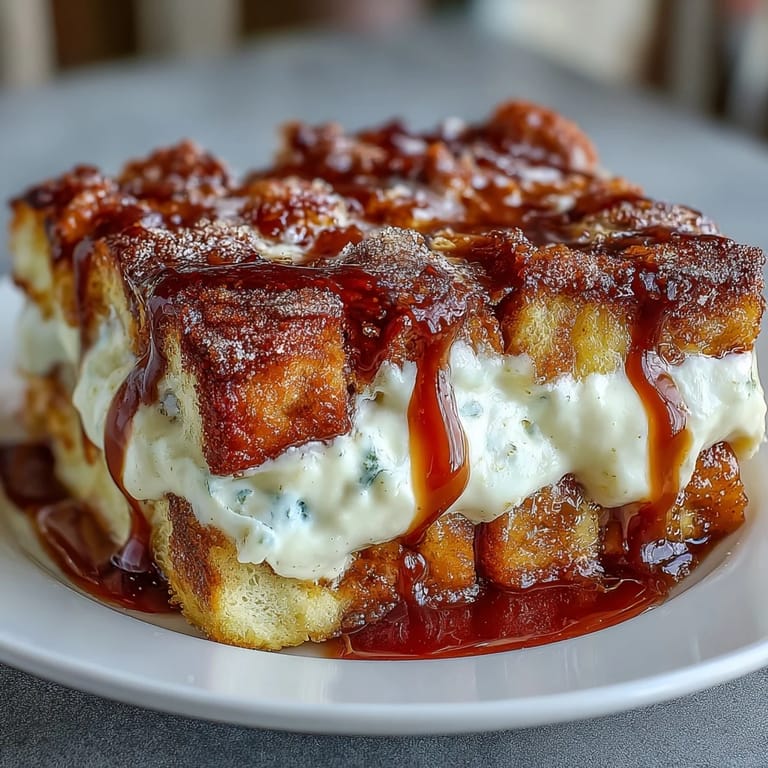
 There was a morning when I pulled this out of the oven at the exact moment my neighbor knocked on the door, and the smell that rolled out was so incredible that she ended up staying for brunch and requesting the recipe before she left. That's when food stops being just fuel and becomes a way of making people feel something—that's what this casserole does.
The Caramel Question
I used to be terrified of making caramel, convinced it would seize or burn or betray me in some catastrophic way. Then I realized that the real trick is keeping the heat at medium and stirring constantly so nothing has a chance to scorch before everything melts together. The moment you see it bubble and smell that rich, toasted aroma, that's your signal to stop and add the cream—hesitation is where caramel gets tricky, not technique.
Bread Selection Matters More Than You'd Think
Brioche and challah are my go-to choices because they're naturally sweet and have that tender crumb that plays well with custard, but I've also used thick-cut Texas toast or even Hawaiian rolls when that's what I had available. The key is picking something enriched with egg and butter rather than a lean bread like ciabatta, which will turn tough and weird when soaked. Whatever you choose, make sure it's at least a day old—this is genuinely the one case where fresh bread will let you down.
Making It Your Own
The beauty of this casserole is that it's flexible enough to play with while structured enough that you can't really mess it up. I've added chopped pecans between the layers, stirred maple syrup into the caramel instead of just brown sugar, and even pressed raspberries gently into the custard layer the morning of baking. The base recipe is forgiving—it's already delicious, which means you can experiment without fear.
- Lighter version: Swap half the heavy cream for half-and-half if you want something less rich but still deeply satisfying.
- Extra crunch: Chop walnuts or pecans and scatter them between bread layers or on top before baking.
- Fruit addition: Fresh berries on top right before serving add brightness and balance all the sweetness beautifully.
 Pin It
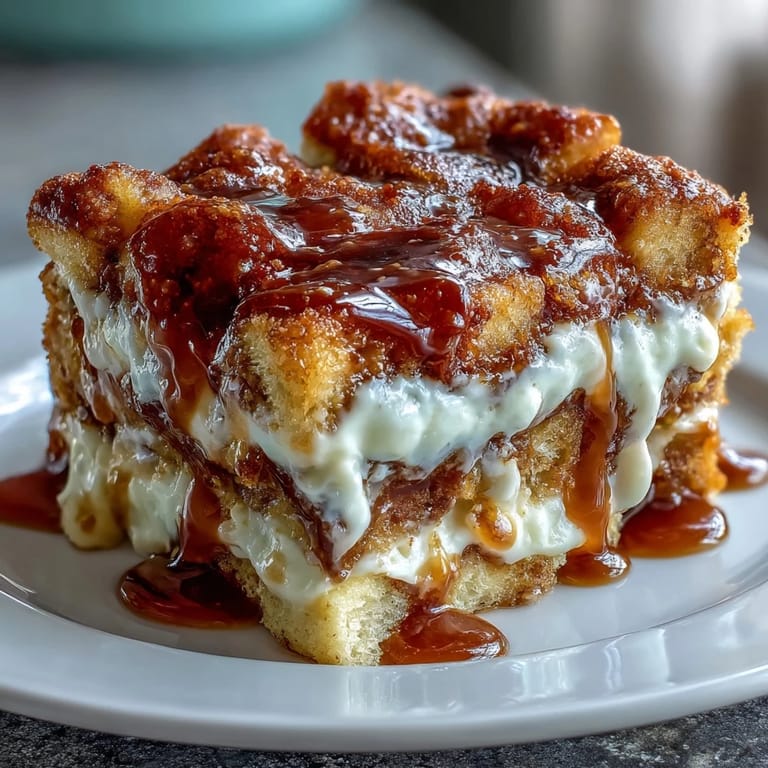
 This casserole has become my answer to almost every brunch question because it tastes indulgent while feeling manageable, impresses people without requiring last-minute stress, and somehow always brings people back for seconds. Make it once and you'll understand why it earned its place in my regular rotation.
Recipe FAQs
- → Can I use different bread instead of brioche?
Yes, challah works beautifully as a substitute. You can also use French bread or thick-cut white bread, though brioche and challah yield the richest, most tender results due to their high butter and egg content.
- → How long should I refrigerate the casserole?
For optimal texture, refrigerate overnight (8-12 hours) to allow the bread to fully absorb the custard. If pressed for time, a minimum of 6 hours will work, though the bread may not be quite as tender.
- → Can I freeze this breakfast casserole?
Yes, assemble the casserole and freeze unbaked for up to 1 month. Thaw overnight in the refrigerator, then bake as directed. Leftovers can also be frozen in individual portions and reheated.
- → Why is my casserole soggy in the middle?
This usually means the custard wasn't fully absorbed or the casserole needed more baking time. Ensure you press the bread gently into the liquid and refrigerate long enough. If the top browns too quickly, tent with foil and continue baking until set.
- → Can I make the caramel sauce ahead of time?
Absolutely. The caramel sauce can be made up to a week ahead and stored in the refrigerator. Gently reheat before pouring into the baking dish. You can also double the batch and serve extra alongside the finished dish.